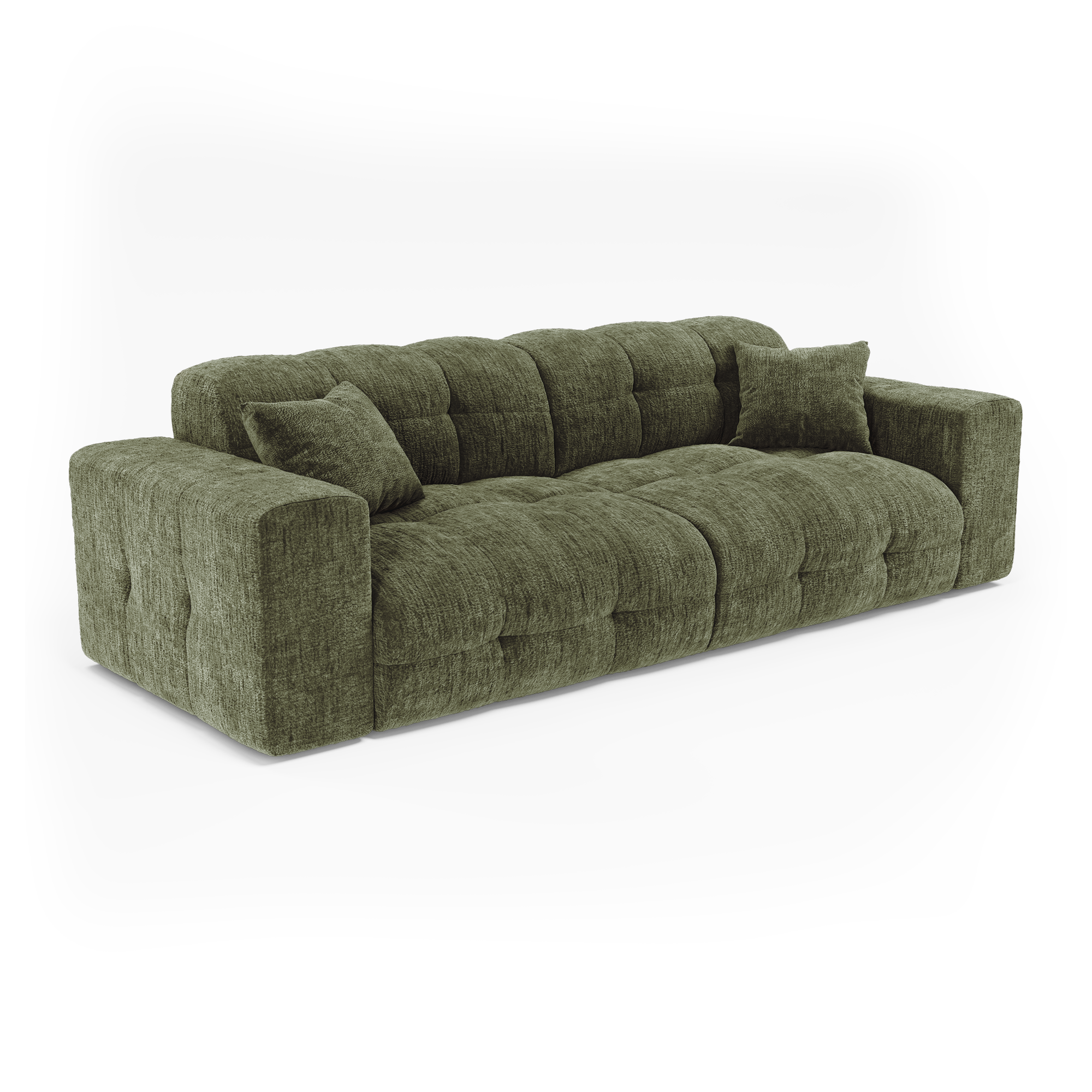


Modular seating: when a simple armchair transforms into a sofa
Are you short on space in your living room, or do you love to redecorate on a whim? Modular seating is a real revolution in the world of furniture. Imagine an armchair that expands to welcome your guests, then returns to its compact form the next day. Welcome to the era of evolving furniture, an ingenious solution that adapts to your life rather than the other way around.
Learn more
Sofa trends for 2025: The complete guide to transforming your living room
Your sofa is much more than just a piece of furniture: it's the heart of your living room, the place where you relax with family and friends. As 2026 approaches, the world of interior design is about to undergo a major revolution. Organic shapes, soft textures, bold colors, reimagined vintage styles... discover the must-haves that will redefine your home this year.
Learn more
Chic and timeless: velvet in modern decor
Long associated with classic interiors and bygone luxury, velvet is now subtly making its mark in contemporary decor. Its soft, luminous texture, combined with modern lines, gives it both a functional and aesthetic role. More than just a material, it has become a style element capable of transforming a room, bringing comfort and sophistication without overwhelming the space. The contemporary appeal of velvet Velvet is captivating for its ability to combine elegance and warmth. Its delicate touch creates a cozy atmosphere, inviting relaxation and intimacy. It subtly captures light, revealing nuances that add depth and dimension to spaces. These properties make it a particularly suitable material for modern interiors, where clean lines are combined with rich textures. Beyond its tactile appeal , velvet offers a refined visual presence . It enhances furniture and accessories, lending a discreet yet assertive chic. Its modernity lies in its ability to reinvent itself through the interplay of colors and shapes, far removed from the traditional codes that confined it to classic or retro styles. Spreading velvet in space The use of velvet in a contemporary interior relies on the balance between comfort and visual lightness. On furniture , it elegantly adorns minimalist sofas, sleek armchairs, and headboards, creating focal points that are both welcoming and refined. In the bedroom or living room , a velvet sofa becomes a structuring element, capable of defining the room's atmosphere without adding decorative clutter. Velvet accessories allow for a subtle introduction of the material. Cushions, poufs, throws, and curtains bring warmth and comfort while modulating the intensity of the decorative effect. A touch of velvet on an armchair or cushion is enough to instill a sense of understated luxury. The goal is to create aesthetic continuity , where the material interacts with the space without ever dominating it. Color palette for a modern decor The modern appeal of velvet lies largely in the choice of colors. Deep tones —forest green, midnight blue, or burgundy—offer intensity and character while remaining elegant. These shades create visual focal points, enhancing the sophistication of minimalist furniture. Light and soothing shades – beige, cream, taupe – bring softness and brightness . They are particularly suitable for open spaces or rooms bathed in natural light, where they contribute to an airy and harmonious effect. The combination with modern neutral colors - grey, black, white - accentuates the contemporary side , allowing the richness of the velvet to be highlighted without breaking the visual balance. A blend of materials and subtle contrasts The key to incorporating velvet into a contemporary interior lies in the combination of materials . Velvet pairs perfectly with matte metals —brass, black steel, chrome—highlighting its refinement while preserving clean lines. Contrasts with light wood or raw concrete bring lightness and balance, avoiding the overly heavy effect sometimes associated with this material. Glass and marble can complement this ensemble, introducing reflective surfaces and clean lines that reinforce the impression of modernity. The aim is to create a subtle harmony , where each material interacts with the velvet to compose a refined and welcoming space, without any stylistic clash. Current trends Velvet is perfectly in line with contemporary trends. The revisited Art Deco style illustrates its potential to modernize a space thanks to geometric lines and soft textures. Vertical sofas with grooved or ribbed details add depth and sophistication, transforming furniture into true design objects. Accessories and decorative objects combining velvet and minimalist lines add refined touches, asserting the personality of the interior without overwhelming the space. This contemporary approach to velvet demonstrates that it is no longer a material reserved for classic luxury, but a versatile fabric perfectly suited to modern demands for comfort and aesthetics. The resulting pieces become both elegant and inviting, embodying a modern vision of chic and conviviality. Elegance and modernity enhanced Velvet is reinventing itself in contemporary decor. With its feel, its sheen, and its visual richness, it brings a warm and sophisticated dimension to any space. Used judiciously on furniture or as decorative accents, it transforms an interior into a place that is modern, elegant, and comfortable. To embrace velvet is to accept the subtlety of understated luxury, capable of highlighting the simplicity of lines and the purity of forms. In a modern interior, it becomes the guiding thread of a harmonious decor, where comfort blends with aesthetics to create a refined and welcoming atmosphere.
Learn more
The power of details on a sofa
In the world of furniture, a sofa is more than just a seat. A true centerpiece of an interior, it embodies comfort, style, and personality. Yet, what distinguishes an exceptional model from a more ordinary one isn't solely its overall silhouette. It's the details, those sometimes subtle but always crucial elements that define the soul of a sofa . Precise stitching, sculpted legs, and elaborate finishes: these are all subtle hallmarks that demonstrate craftsmanship, ensure durability, and lend a unique character. The stitching, the signature of expertise A high-end sofa is first and foremost recognized by the precision of its stitching . Regular lines, clean lines, perfectly executed seams: each stitch reflects the care taken in its design. The discerning eye quickly distinguishes between simple assembly and true craftsmanship. This technical mastery reveals the artisan's touch, guaranteeing a seat that is both durable and elegant . Beyond their functional role, seams are also an aesthetic language . Visible topstitching, for example, adds subtle texture and highlights the contours of the sofa with character. In a contemporary interior, it becomes a graphic accent, a way of defining the structure without weighing down the form. Conversely, an invisible seam, discreetly integrated, expresses a quiet refinement, emphasizing the purity of lines. When reinforced, the stitching also becomes a promise of durability . Stress areas, such as armrests or seats, demand impeccable strength. Double stitching or an additional bartack ensures increased resistance to everyday wear and tear. Thus, far from being a purely decorative detail, the stitching reflects expertise, guaranteeing both the beauty and the longevity of the piece. The legs, the perfect blend of stability and style When looking at a sofa, our attention is often focused on its shape or upholstery. However, the legs play a crucial role, both aesthetically and functionally . They anchor the sofa in the space while contributing to the overall visual identity. Their material, shape, and height shape the perception of a sofa , influencing both its appearance and its comfort. A solid wood base brings warmth and timelessness. Depending on the wood species chosen, it can suggest a Scandinavian feel, a retro atmosphere, or a handcrafted touch. Light oak shades lend themselves to minimalist interiors, while darker tones evoke classic elegance. Polished chrome, blackened steel, or brushed brass express a confident modernity, sometimes industrial, sometimes refined, always marked by a desire to make a statement. The shape of the legs is equally significant. Slender, elegant legs create an impression of lightness, almost ethereal, giving the illusion of a suspended sofa . This slenderness emphasizes the fluidity of a room and visually lightens the space. Conversely, wider, more assertive legs create a robust, solid seat, designed to structure a room and assert a presence. Finally, height determines both use and aesthetics. A slightly raised sofa makes cleaning easier and adds a practical dimension. Low legs enhance the feeling of conviviality and reinforce the sense of a cozy cocoon. Far from being insignificant, each choice places the sofa within a particular decorative style: Scandinavian in its simplicity, industrial in its rigor, or classic chic in its understated refinement. The finishing touches, the detail that makes all the difference While the stitching reflects expertise and the legs structure the aesthetic, the finishes embody the uniqueness of a sofa . They transform a piece into a one-of-a-kind object, tailored to individual tastes and uses. The choice of materials, the applied treatments, and the design details compose a subtle language where every element counts. The upholstery is the first finishing touch. Whether it's full-grain leather, silky velvet, warm bouclé, or a woven fabric with sophisticated sheen, the material immediately defines the visual and tactile perception. Leather captivates with its patina that improves with age; velvet captures the light and offers incomparable depth; bouclé lends a cozy and contemporary dimension; and woven fabric plays with textures and nuances. The quality of these materials determines not only the overall elegance but also its resistance to wear and tear . Specific treatments reinforce this requirement. A water-repellent or stain-resistant coating prolongs the beauty of a sofa over the years, making it easier to maintain and more worry-free to use. These finishes, invisible at first glance, demonstrate a discreet yet valuable innovation, designed to enhance the everyday experience without compromising aesthetics. Ultimately, it's the personalized details that give the sofa its character. Contrasting piping delicately highlights the lines. A tufted button adds a touch of revisited tradition. A carefully crafted headrest or armrest provides extra comfort without compromising visual harmony. Chosen with discernment, these elements transform a model into a true signature piece, capable of engaging with the architecture and style of an interior. When details define the identity of a sofa Each sofa is the result of a dialogue between functionality and aesthetics . But it is the details – the stitching, the legs, the finishes – that determine the harmony of this dialogue. They tell a silent story, that of the craftsman's expertise, the care taken with the materials, and the attention paid to its intended use. In a refined selection like that offered by Premium Interiors, these details are never left to chance. The stitching reads like character traits, the legs like aesthetic anchors, the finishes like a signature. Whether it's a minimalist sofa with clean lines or a bolder model playing on contrasts, each piece expresses its identity through these subtle touches. Choosing a sofa isn't simply a matter of selecting a color or shape. It's about paying attention to the stitching that speaks of craftsmanship, the legs that define its form, and the finishes that reveal its personality. These subtle yet essential details are what make the difference between a simple piece of furniture and a centerpiece, destined to be a lasting part of everyday life and to enhance any interior.
Learn more
Choosing your armchair: comfort, style and practicality
The armchair occupies a unique place in the living room. More than just a seat, it embodies a haven of comfort, an anchor point in the space, a piece that attracts the eye as much as it invites relaxation. Yet, choosing the right armchair remains a common dilemma: should one prioritize elegant lines or everyday practicality? The challenge lies in reconciling these two aspects, so that the armchair becomes both a welcoming seat and an aesthetic signature for the interior. Space as a starting point Choosing an armchair inevitably begins with considering the space. A spacious living room allows for generous shapes, enveloping armchairs, and bold volumes. Conversely, a smaller living room calls for compact seating, with proportions designed to maintain easy movement. The space allocated to the armchair should harmonize with that of the sofa, coffee table, and other peripheral elements, without making the overall look cluttered. The solutions vary depending on the layout: a small space can accommodate a modular or swivel armchair , designed to optimize every square meter. In a large living room, the armchair can, on the other hand, become a centerpiece, with an XL size that invites relaxation and structures the atmosphere. The right balance lies in the coherence between dimensions and proportions, so that the whole room maintains its visual fluidity and welcoming feel. The art of comfort An armchair is judged first and foremost by the experience it provides. The seat depth determines the level of comfort: a shallow seat promotes support, while a deeper seat invites you to sink into it for extended periods. As for the seat height , it should correspond to your body shape and lifestyle to ensure lasting comfort. The backrest is another essential criterion. A high, generous backrest provides optimal support, ideal for reading or extended periods of relaxation. A lower backrest visually lightens the room while maintaining comfortable use. Some armchairs are equipped with additional features —relaxing mechanisms, reclining or swiveling positions—that cater to more specific needs and transform the armchair into a true haven of relaxation. The expression of a style The aesthetics of the armchair contribute to the identity of the living room. The styles are endless. Scandinavian style favors clean lines and the warmth of light wood; contemporary style plays on the simplicity and fluidity of shapes; vintage style evokes retro curves and textured fabrics; industrial style asserts metal structures and dark hues; bohemian style expresses itself in natural materials and sunny hues. The choice of upholstery influences both style and everyday use. Woven fabrics offer a wide range of textures and colors, with a warm and inviting feel. Leather evokes timeless elegance and durability, but requires careful maintenance. Microfibers are appealing for their strength and ease of cleaning. Natural materials bring an authentic and refined dimension, but can be more delicate. Finally, color determines how the armchair integrates into the decor. A neutral shade —beige, gray, or taupe—evokes a reassuring timelessness. A bolder tone —deep blue, forest green, or terracotta—becomes a decorative accent that underscores the personality of the living room. Textures , too, enrich the visual experience: silky velvet, plush bouclé, or leather invite each individual to create a unique atmosphere. Everyday ease Daily life imposes its demands, and the armchair must adapt to them. Removable covers offer the advantage of simplified maintenance, particularly appreciated in a home with children or pets. Some fabrics are designed to resist stains or scuffs, thus extending the seat's lifespan. Maintenance is therefore not just a constraint, but contributes to the lasting experience of an armchair that accompanies daily life without losing its luster. A balance to be found Choosing an armchair for your living room is about finding the delicate balance between available space, desired comfort, style, and practical constraints. More than just an object, it's a piece that reflects your personality and accompanies your daily activities. Elegance, functionality, and durability combine to offer your living room seating that not only provides comfort but also embodies the art of living indoors.
Learn more
Beige and brown: the shades for a luxurious interior
Beige and brown belong to that palette of colors that transcend trends and become obsolete. Their strength lies in their ability to create an elegant and refined atmosphere, equally at home in contemporary residences, prestigious hotels, and luxury boutiques. These shades, which appear simple at first glance, reveal a depth and subtlety that make them universal symbols of refinement. They embody a discreet luxury, one that is suggested rather than displayed. Simplicity as an expression of elegance If beige and brown so often evoke high-end interiors, it's because they convey a restrained elegance , far removed from decorative excess. Beige diffuses a soft light, without any garish glare, giving spaces a serene feel. The deeper brown provides a counterpoint, affirming the stability and refinement of the setting. Together , they create an impression of controlled balance, a dialogue of shades that never goes out of style. These colors also evoke raw, noble materials . Solid wood, leather, natural stone, and refined textiles find an ideal setting in beige and brown. Their connection to nature lends interiors an authentic dimension , reinforced by the quality of the materials . This connection to essential elements underscores the sophistication of a decor that favors subtlety over ostentation. The sensory harmony of refined neutrals Beyond their aesthetic dimension, these shades exert a real sensory influence . Bright and soft, beige inspires purity and minimalism . It brings a feeling of space, a diffused clarity that envelops the interior in natural light. As for brown, it conveys warmth and depth . It anchors spaces and gives them a comforting stability, recalling the strength of the earth and the warmth of dark woods. Together, they create a balanced harmony : beige softens, brown warms. This discreet yet powerful combination evokes a feeling of exclusive comfort, an atmosphere that is both welcoming and refined, where each element naturally finds its place. Subtle integration into a high-end decor The elegance of these two colors lies in their ability to blend seamlessly with premium materials. Delicately veined beige marble brings a sophisticated luminosity to floors or countertops. Dark woods —walnut, smoked oak—introduce a visual and tactile depth that defines the character of a room. Natural textiles , from linen to cashmere, extend this quest for refined comfort while offering a variety of textures. The interplay of textures enriches the sensory experience : a deep brown velvet sofa , a patinated chocolate leather armchair , walls clad in textured beige plaster. Each subtle contrast intensifies the desired effect. The combination with black elements, touches of brass, or bronze accents creates additional depth , a contemporary and chic dimension that underscores the modernity of the compositions. Finally, lighting plays a crucial role. Soft lights reveal variations in tone, accentuate depth, and create enveloping atmospheres. In an interior dominated by beige and brown, light becomes sculptor, enhancing every detail and reinforcing the perception of a space designed down to its smallest nuances. Inspirations for understated luxury In a living room , the combination of a dark brown leather sofa and a beige wool rug creates a cozy and inviting atmosphere, perfect for both socializing and relaxing. Linen or velvet cushions , playing on intermediate tones, add subtle variations and create a visually rich setting. In a bedroom , beige can be used on the walls or bedding, diffusing a soothing light. Chosen for a headboard in fine wood or dark accessories, brown structures the space and gives it subtle depth. The balance between light and intensity creates an environment conducive to rest, where each element contributes to an atmosphere of enveloping elegance. In a designer kitchen , the combination of dark wood and light stone achieves perfect harmony. The beige of the marble or quartz highlights the wood's richness, while the brushed metal details add a contemporary touch. The contrast, though subtle, underscores the modernity and refinement of the culinary space. A discreet and timeless luxury Far beyond mere color choices, beige and brown embody a true decorative philosophy . Their combination allows for the creation of luxurious interiors without ever succumbing to excess. They reflect a quest for balance, comfort, and timelessness. These shades, linked to nature and materials, lend spaces a noble and enveloping character, where sophistication is revealed in the details. Choosing beige and brown means opting for an elegance that transcends eras and adapts to all architectural styles. Their strength lies in their ability to embody high-end quality without ostentation, to infuse each room with a refined, warm, and timeless dimension.
Learn more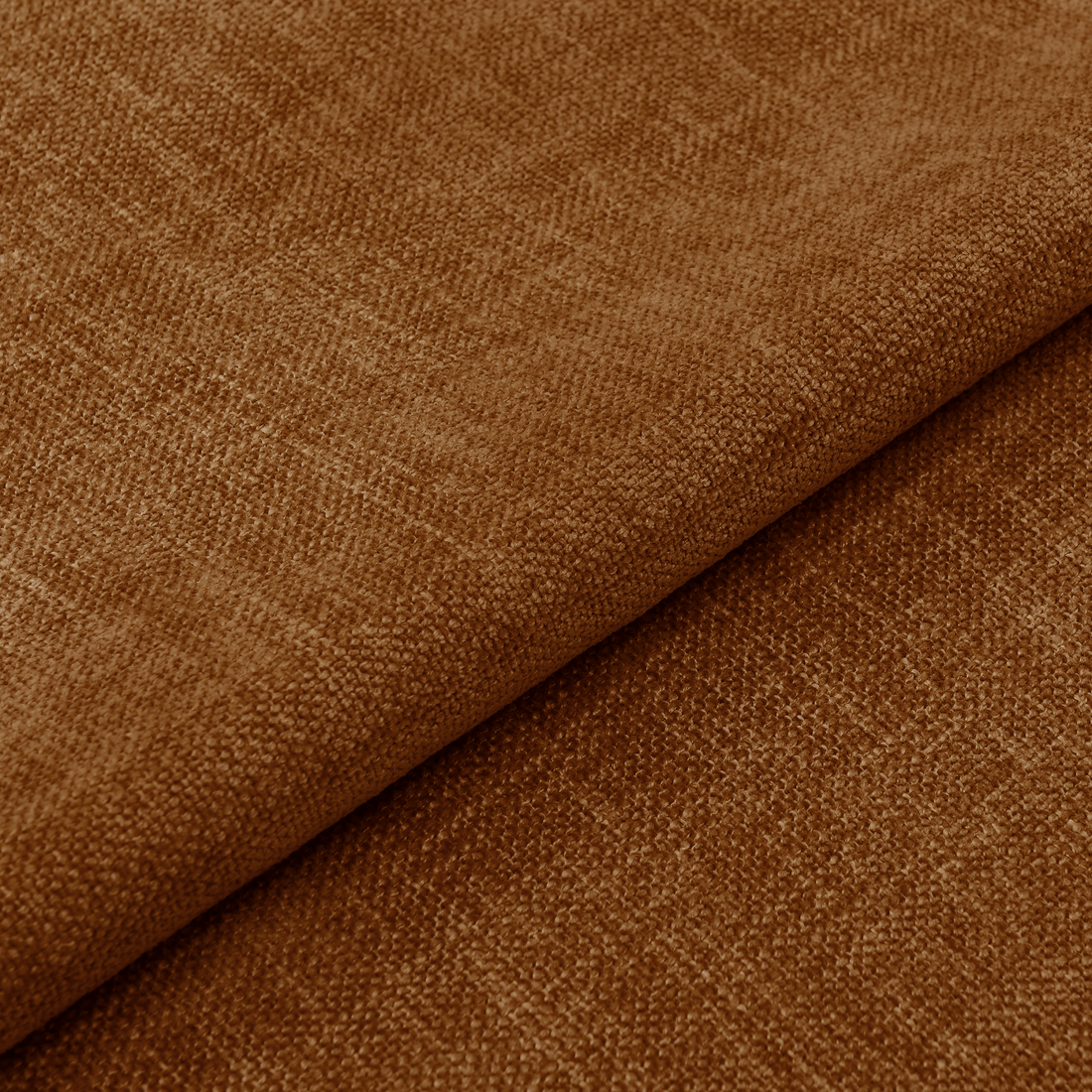
When woven fabric enhances the seat
Woven fabric, a material with character In the world of high-end furniture, the choice of upholstery determines both the aesthetics and the longevity of a sofa. Among the options, woven fabric stands out as a reliable choice . Its principle is based on the perpendicular interlacing of warp and weft threads—a technique that ensures remarkable strength . This construction provides significantly greater resistance than traditional knits, while maintaining a timeless elegance . Beyond its robustness, woven fabric captivates with its visual richness . Its subtly interwoven shades create a delicate texture, adding depth to a seat and more easily concealing minor everyday marks. Its refined texture blends harmoniously into both contemporary and classic interiors , making woven fabric seating an ally that is both aesthetically pleasing and practical. The essential criteria for an informed choice Choosing a woven fabric sofa (or armchair) isn't just about style. Several factors need to be considered to find the right balance between comfort, durability, and decorative harmony. The strength of the weave is the primary criterion. A fine, tight weave will offer better resistance to wear and tear than a looser weave. For busy interiors, where children and pets share daily life, this detail becomes crucial. Next comes resistance to rubbing and fading . Fabrics certified by Martindale or Piling tests guarantee impeccable durability over the years. These standards ensure furniture designed to last, even with intensive use. Ease of care is another advantage of woven fabrics, particularly when they combine natural and synthetic fibers. This hybrid composition allows for a blend of comfort and practicality, offering enhanced stain protection and simplifying cleaning. The aesthetic choice deserves special attention. The woven texture provides a distinctive, textured effect that enhances the overall look and adds character. As for colors, it is recommended to choose balanced shades—neither too light nor too dark—to maintain the elegance of the seat while also facilitating daily maintenance. Finally, comfort remains a priority. Thanks to its airy structure, the woven fabric promotes a breathable and lightweight seat. Its feel, both soft and textured, contributes to the sensory experience of the sofa, perfectly aligned with the pursuit of lasting well-being. Towards a choice adapted to usage Every interior has its requirements, and the woven fabric sofa knows how to meet them perfectly. In a family setting , it is recommended to choose models with removable covers or stain-resistant treatments. This choice ensures peace of mind in the face of everyday mishaps, without compromising on elegance. For spaces where animals are present, a tight weave is the obvious choice. It minimizes snags and maintains its impeccable appearance over time. Quality labels—notably Martindale—provide reliable indicators to confirm the flooring's resistance and durability. Finally, woven fabric isn't limited to a purely functional role. Its texture and relief make it a true decorative element . Its woven appearance blends subtly with fine materials—solid wood, brushed metal, leather—enriching the overall harmony of the living room. A careful selection, in keeping with the room's color palette, transforms the sofa into a centerpiece, capable of structuring the ambiance of an interior. The signature of an elegant and timeless interior Choosing a woven fabric sofa means opting for seating that combines aesthetics and durability. This upholstery is distinguished by its strength, ease of maintenance, and understated elegance, making each model a lasting investment. Beyond the material itself, considerations must include intended use, the quality of the weave, and its compatibility with the existing décor. When selected with care, a woven fabric sofa becomes a lasting companion, enhancing the interior with its beauty and resilience.
Learn more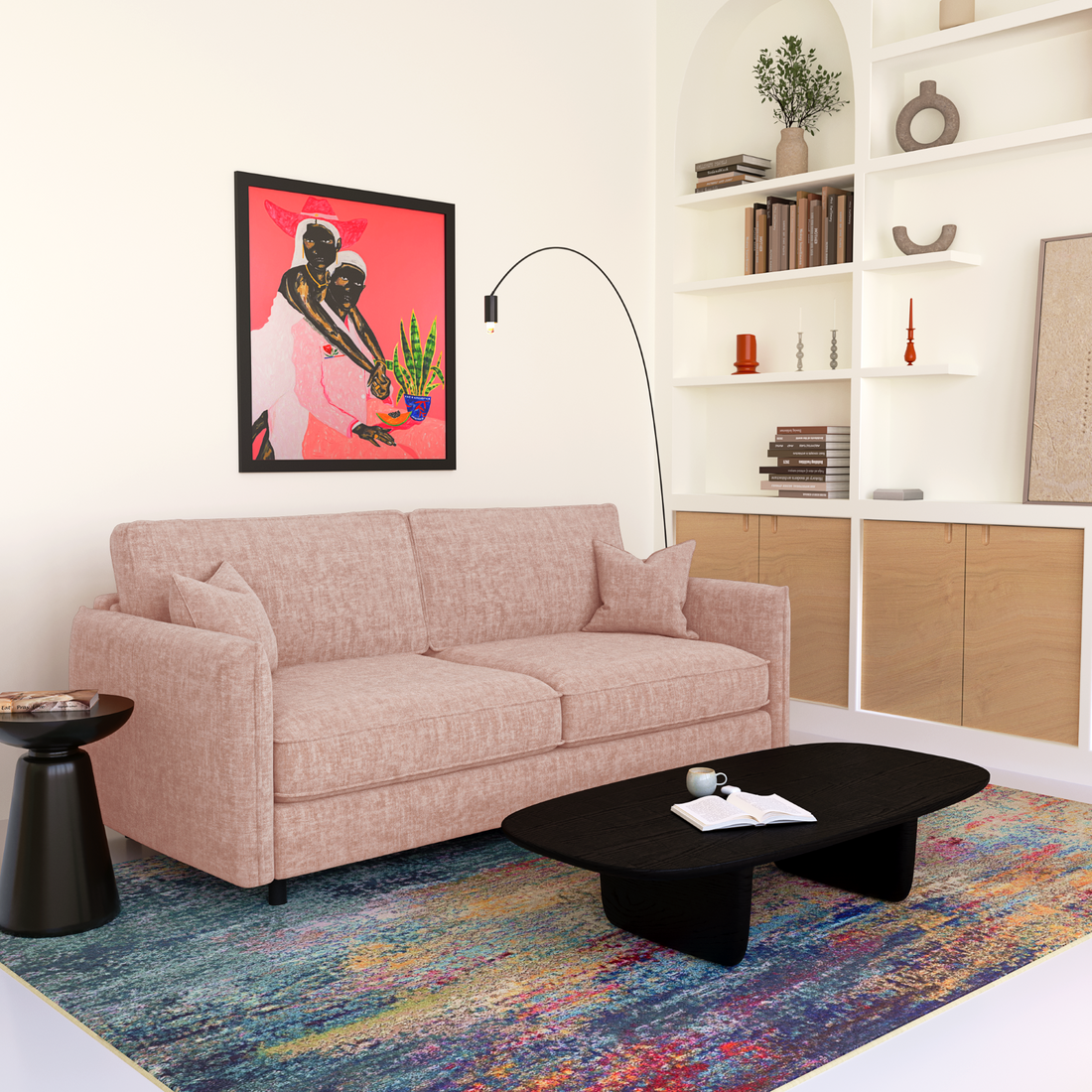
Vibrant colors to energize the interior
More than just an aesthetic choice, color shapes the ambiance and atmosphere of an interior. When vibrant, it acts as a true source of energy, capable of transforming a decor and giving it a unique character. These intense, luminous, and invigorating shades attract the eye and create an immediate presence in the space. Used judiciously, they transform an interior, lending it both dynamism and timeless elegance. The expressive power of intense colors Vibrant colors speak directly to emotions . Their intensity stimulates, awakens, and inspires, far beyond the purely visual aspect. They allow us to break with the monotony of neutral palettes by introducing a touch of refined contrast . In a living room, a bright orange or a sunny yellow creates a warm and inviting atmosphere, ideal for sharing moments. In an office or creative space, a bold blue enhances concentration and stimulates the imagination. In a bedroom, a deep green brings balance and serenity without sacrificing intensity. Choosing a vibrant color means adding rhythm to your interior, but also asserting a decorative style. It means daring to express yourself boldly while maintaining harmony, so that the vitality of the space combines with lasting elegance. Vibrant colors: four major inspirations The warm glow of orange hues The quintessential color of dynamism, orange brings a sunny energy that illuminates an interior. In its vibrant shades, it is stimulating and inviting , ideal for a living room where you love to gather. Paired with terracotta, which is softer and earthier, it gains depth and sophistication. Together, they evoke Mediterranean warmth and mineral textures , perfect for a contemporary interior seeking character. On a feature wall, a graphic rug, or a generously sized seat, these tones transform the atmosphere, lending it intensity and warmth. The soft light of a sophisticated yellow More muted than a bright yellow, mustard yellow embodies a refined luminosity . Both bold and warm , this shade blends beautifully with a neutral base of beige, light gray, or off-white. It can be introduced into a living room through cushions, a designer armchair, or elegant curtains that capture natural light. Paired with midnight blue, it creates a strong, contemporary contrast, while with wood tones, it reveals a warm and timeless dimension. The contemporary energy of assertive blue Electric blue makes a bold statement with an almost vibrant intensity . In an interior, it acts as a powerful, modern, and creative accent . Placed on a striking sofa or a rug with geometric patterns, it immediately draws the eye and structures the space. This color finds its perfect place in contemporary environments where a touch of controlled energy is desired. Combined with light shades like pearl gray or off-white, it becomes elegant and dynamic. With touches of metal, it acquires a decidedly urban and sophisticated dimension. The luxurious depth of precious greens Evoking the richness of precious stones, emerald green stands out as a distinctive color, both luxurious and soothing. Deep and enveloping , it finds its place in elegant living rooms, intimate bedrooms, or even hushed libraries. Paired with gilded brass, it reveals an Art Deco allure , full of nobility and refinement. In contrast to natural materials—linen, light oak—it expresses a subtle modernity, rooted in timeless elegance. The art of mastered chromatic balance Introducing a vibrant color requires a delicate touch. It can appear in subtle touches through accessories—cushions, vases, light fixtures, curtains—or make a bold statement on a wall, rug, or piece of furniture. The choice depends on the desired intensity of the color in the space. Combining different shades is essential. Mustard yellow pairs perfectly with midnight blue, creating an energetic and sophisticated duo. Emerald green flourishes alongside gold or brass, in a contemporary Art Deco style. Terracotta orange reveals its full power alongside sandy beige or warm white, evoking a sunny, Mediterranean atmosphere. To visually structure a space, the 60-30-10 rule remains a valuable guideline: 60% neutral color for balance, 30% secondary color to enrich the palette, and 10% vibrant shade to create an accent. This principle allows for the integration of bold colors without risking overload and ensures a decor where vitality remains elegant. Elegance in restraint Bright colors have such a powerful visual impact that they require judicious use . Combining too many in the same space makes it difficult to read and can quickly tire the eyes. It's better to choose a main color and subtly incorporate it in different elements. Light also plays a crucial role: an electric blue can appear luminous in a large, sun-drenched living room, but seem overwhelming in a small, dark room. Adapting the intensity of the colors to the size and brightness of each space ensures successful integration. Embrace vitality, preserve harmony Vibrant colors are much more than a simple decorative choice: they infuse energy, vitality, and character into an interior. Orange, yellow, blue, or green—each one displays a strong personality, capable of transforming the atmosphere of a room. Their strength lies in their balance: carefully chosen, paired with neutral tones, and integrated according to the room's dimensions, they become the signature of a lively and elegant interior. To embrace color is to accept that it is the expression of a strong style, but always guided by a search for harmony. Thus, each space is adorned with a controlled vitality, where chromatic boldness meets timeless elegance.
Learn more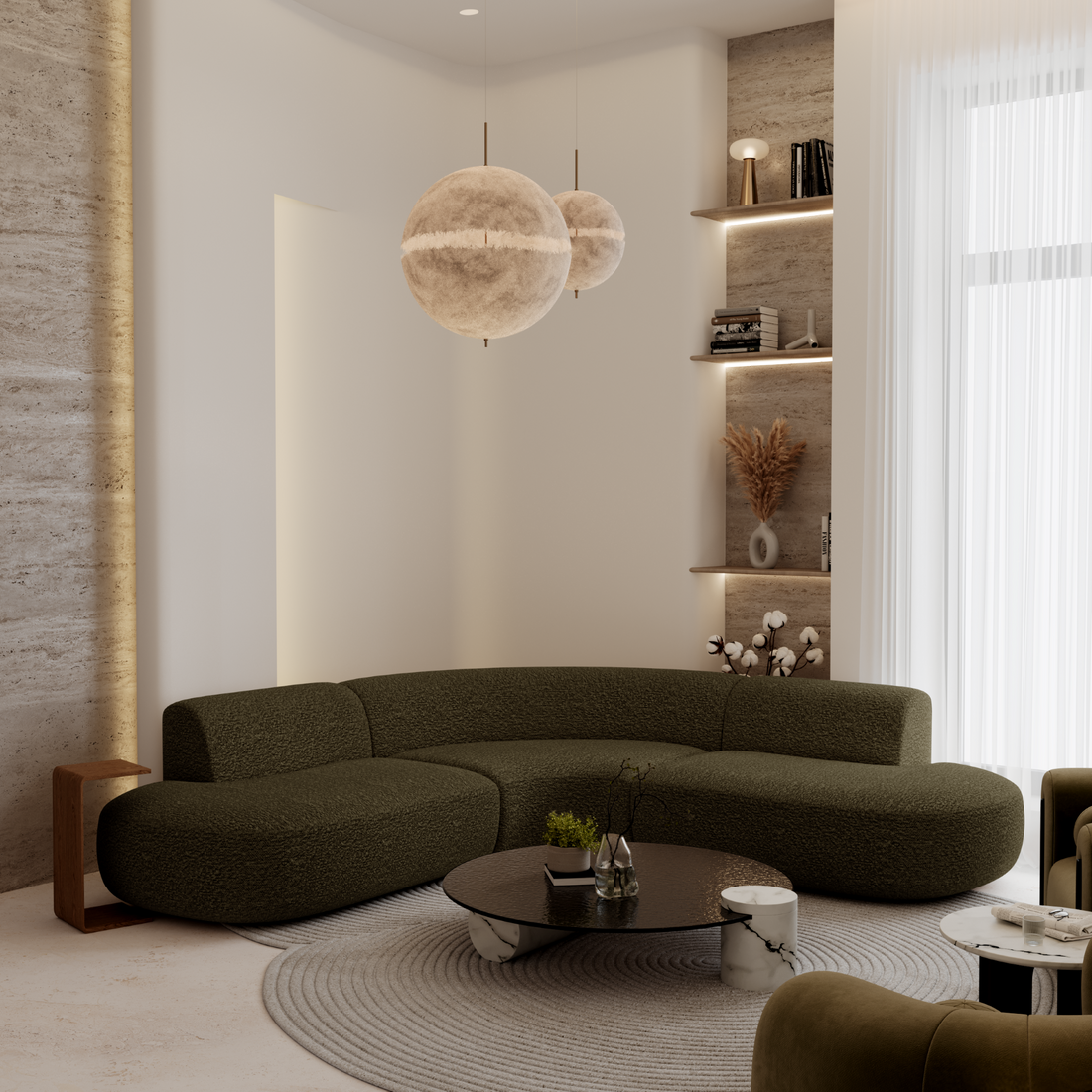
Clean lines and functionality for a modern style
Modern style has emerged as an elegant celebration of simplicity, combining clean lines, fine materials, and thoughtful functionality. More than just a trend, it embodies a true art of living, where each element finds its place in a refined and understated harmony. This journey into the heart of modern style reveals its origins, fundamental principles, and distinctive details, before offering some keys to adopting it elegantly at home, as well as an overview of the contemporary variations that enrich it today. The origins of modern style Modern style has its roots in the artistic and architectural movements of the early 20th century , among which the Bauhaus and European modernism hold a prominent place. These movements broke with the excessive ornamentation of the past, prioritizing form in service of function. The premise is simple: beauty arises from the simplicity, rigor, and sincerity of the materials. This philosophy rests on three pillars: simplicity, refinement, and innovation . It celebrates clear forms and uncluttered volumes, where each piece finds its purpose without superfluous embellishment. The notion of functionality becomes central, as does the integration of new techniques and materials. It is essential to distinguish between "modern" and " contemporary " styles , which are often confused. The former refers to a specific period, marked by defined and enduring stylistic codes. The latter evolves with the times, reflecting current trends, sometimes more eclectic or daring. The foundations of a modern interior At the heart of a modern interior lie the purity of lines and the rigor of geometric forms . The space is conceived as a composition where each element interacts with the whole in a soothing visual coherence. Simplicity does not mean austerity: it is a subtle balance between restraint and warmth. The color palette favors neutral tones—white, gray, black, and beige—which foster a serene and luminous atmosphere. These shades facilitate the integration of key pieces and enhance natural light, a fundamental element of modern style. Large windows, open spaces, and fluid circulation contribute to this impression of harmony. The materials are chosen for their authenticity and their ability to stand the test of time with elegance: glass, steel, light wood. The wood brings a touch of natural warmth that balances the starkness of the metal and glass surfaces. The furniture embodies the functional philosophy of the style. It is characterized by simple forms, free of superfluous ornamentation, prioritizing comfort and practicality. The accessories are minimalist, carefully chosen to highlight the volumes and lines rather than clutter the space. The details that define modern elegance While modern style is appealing in its simplicity, its charm also stems from subtle and sophisticated details. The richness of textures plays a major role. Soft-touch woven fabrics , fine leather, or corduroy introduce tactile nuances that break the visual monotony and invite conviviality. A key element, lighting is designed with the same meticulous attention to detail. Designer light fixtures, often with clean, graphic lines, blend seamlessly into the space while providing focused, warm illumination. Recessed spotlights accentuate the volumes and create plays of light and shadow that bring the rooms to life. Finally, minimalist art and decorative objects complete the ensemble. They stand out for their quality and uniqueness, not their quantity. A carefully chosen artwork or a discreet sculpture becomes a visual anchor, contributing to the balance and personality of the interior. Adopting the modern style at home Applying this style at home requires a thoughtful approach, far removed from simply following a trend. The first step is to declutter spaces to give them a sense of openness. Each object should be justified by its beauty, its functionality, or the emotion it evokes. Quality always trumps quantity. It's best to choose durable furniture with clean lines that will stand the test of time and trends. The choice of materials should reflect this concern for authenticity and understated elegance. To warm up the atmosphere, the addition of green plants brings a touch of life and nature that contrasts with the starkness of the furniture and surfaces. They also contribute to the feeling of well-being, essential in a modern interior. Mastering color and lighting plays a crucial role. Neutral tones must be balanced with deeper or lighter shades depending on the room's dimensions and the ambient light. Lighting should be adjustable, allowing the atmosphere to be adapted to each time of day, from soft light to task lighting. Contemporary variants Although rooted in a specific period, the modern style today comes in several variations that give it a more flexible and personal dimension. Modern Scandinavian style places greater emphasis on warmth and comfort, combining light wood, soft textiles and pastel colors in a welcoming minimalist approach. Industrial modernism introduced raw materials such as blackened metal, concrete or exposed brick, playing on a marked contrast between functional rigor and workshop spirit. These variations allow us to retain the spirit of the modern style while adapting to different sensibilities, thus offering a rich and varied palette to design enthusiasts. The timelessness and elegance of modern style Rooted in a clear and controlled aesthetic, modern style transcends decades without ever losing its relevance. Its strength lies in its ability to combine comfort, functionality, and clean lines, offering interiors where every detail matters and nothing is left to chance. Both understated and refined, this visual language captivates with its balance, adapting to evolving lifestyles while maintaining a strong identity. Whether the goal is to enhance a living space or create an atmosphere conducive to serenity, modern style is a sure bet. Its timeless and elegant codes encourage us to think of interior design as a lasting experience. Beauty is expressed as much in form as in function. Discover our collection of modern style furniture, designed to reflect this spirit with accuracy and exacting standards.
Learn more