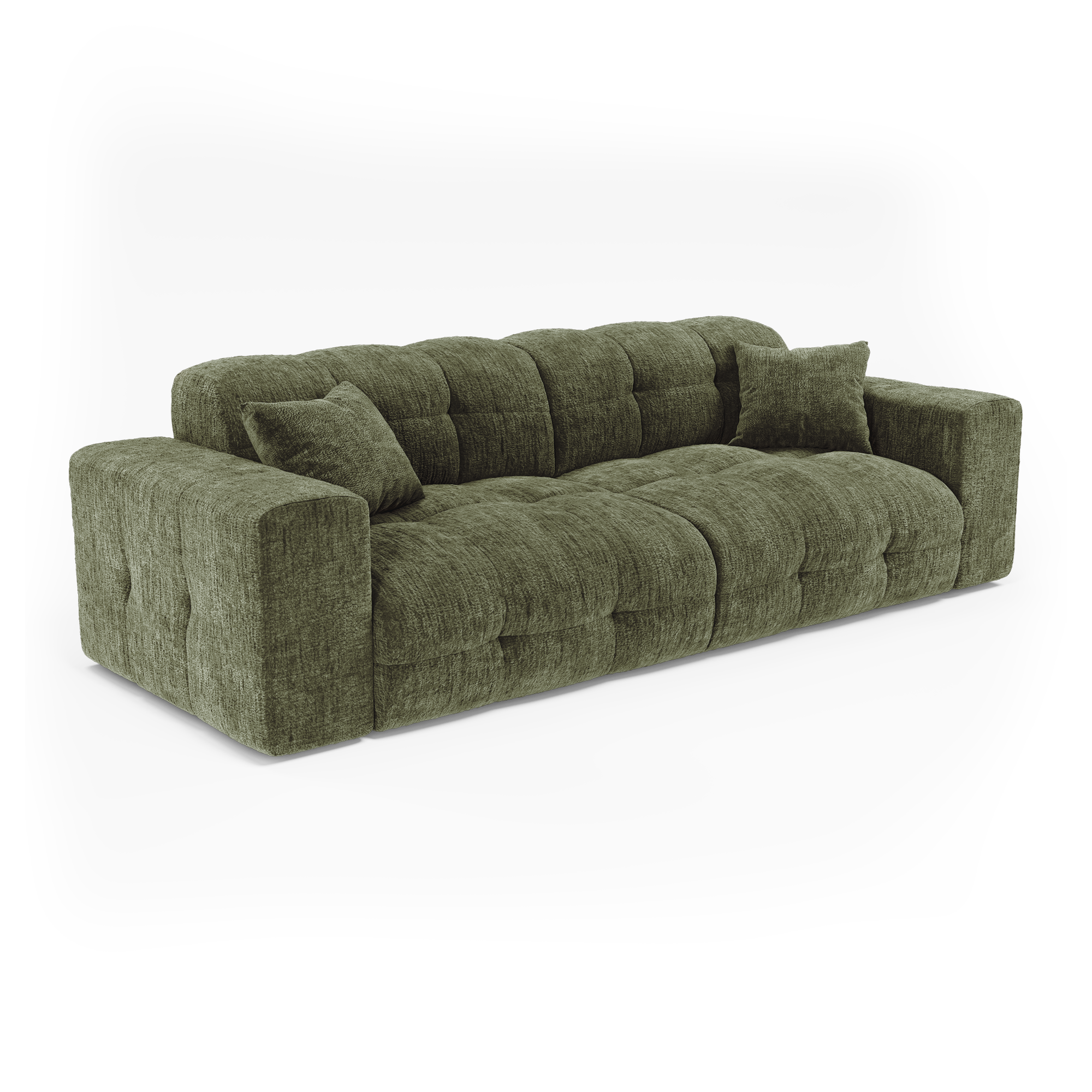


What fabric to choose for your chairs?
Changing a chair's upholstery or choosing the right fabric for a new piece of furniture can radically transform a room's atmosphere. But beyond aesthetics, it's also an investment in the durability of your furniture. Between the desire for a soft and elegant material and the reality of daily use (children, pets, meals), choosing upholstery fabric quickly becomes a headache.
Learn more
What is the actual lifespan of a sofa?
On average, a sofa lasts between 7 and 15 years. However, this estimate varies considerably depending on the quality of manufacturing and the materials used. An entry-level fabric model may show signs of wear after just 5 years, while a high-quality full-grain leather sofa can easily last over 20 years with proper maintenance.
Learn more
Fabric, velvet, leather… How to choose the ideal sofa upholstery for your needs?
You're facing a dilemma: you absolutely love this sofa, but you're hesitating over the material. Soft fabric or timeless leather? Elegant velvet or ultra-practical microfiber? The Choosing the upholstery is not just a matter of aesthetics – it’s a decision that will impact your daily comfort, your maintenance budget and the lifespan of your sofa for years to come.
Learn more
Tissue strength: understanding the Martindale test
Sustainability, an essential criterion Choosing a sofa isn't just about style or comfort. Behind the apparent softness of a fabric lies a practical reality: its ability to withstand the test of time and daily use. Repeated rubbing, constant movement, the presence of pets or children… all these factors put the material to the test. To assess this resistance, one indicator stands out as the international standard: the Martindale test . Understanding the Martindale test The Martindale test measures a textile's resistance to abrasion . Specifically, a fabric sample is subjected to repeated circular rubbing under standardized pressure until visible signs of wear appear . The number of cycles required to reach this point becomes the fabric's durability index. The higher the number, the more the fabric can withstand frequent use without premature deterioration. This indicator, expressed in Martindale cycles, provides a universal language between manufacturers, sellers, and customers. It allows for the objective comparison of materials with very different appearances – linen, bouclé, velvet, woven fabric, etc. Resistance ratings for a sofa While the Martindale can sometimes amount to tens of thousands of cycles, certain thresholds are particularly useful for guiding a choice: - Less than 10,000 turns : suitable for purely decorative fabrics, occasional cushions or very occasional seating; - 10,000 to 15,000 revolutions : suitable for light domestic use, such as an armchair that is rarely used or a guest room; - 15,000 to 25,000 revolutions : standard for a classic family sofa, used daily but in a normal usage context; - 25,000 to 40,000 revolutions : designed for intensive use, central living areas, families with children or cohabitation with pets; - Beyond 40,000 towers : reserved for professional environments or extreme demands - hotel lobbies, shared offices, public spaces. These thresholds should not be read as a simple performance scale, but as benchmarks to adjust the choice of coating to its actual use. Other criteria that shape quality While the Martindale test sheds light on a fabric's mechanical resistance, it is not sufficient on its own. The durability of a sofa also depends on other essential factors. Stain resistance is a key factor: some fabrics benefit from water-repellent or stain-resistant treatments that make them easier to care for without compromising their appearance. Lightfastness ensures that colors retain their vibrancy despite exposure to sunlight or bright indoor lighting. Sensory comfort is paramount: a fabric may be durable but lack suppleness or warmth, which will affect the daily experience. Finally, ease of cleaning largely determines the longevity of the furniture, preventing stains or dirt from becoming permanently embedded. To make the right choice The real challenge lies in matching the fabric to the lifestyle it will be used in. For an occasional sofa in an office or spare bedroom, a medium Martindale rating may be perfectly adequate. Conversely, a main sofa in a family living room should prioritize a high rating, capable of withstanding repeated wear and tear. The presence of children or pets makes this criterion even more important, and it's advisable to choose fabrics specifically designed to withstand scratches, play, and everyday mishaps. In all cases, the composition, feel, color nuances, and harmony with the interior should remain key considerations, as a sofa is as much a living space as it is a decorative piece. An essential, but not exclusive, reference point The Martindale scale offers an objective and reliable guide for predicting fabric wear. It is a valuable reference in the world of furniture, but must be considered alongside other equally fundamental criteria: comfort, aesthetics, maintenance, and suitability for lifestyle. A sofa is chosen at the crossroads of these requirements, to combine beauty and resistance, immediate pleasure and durability over time.
Learn more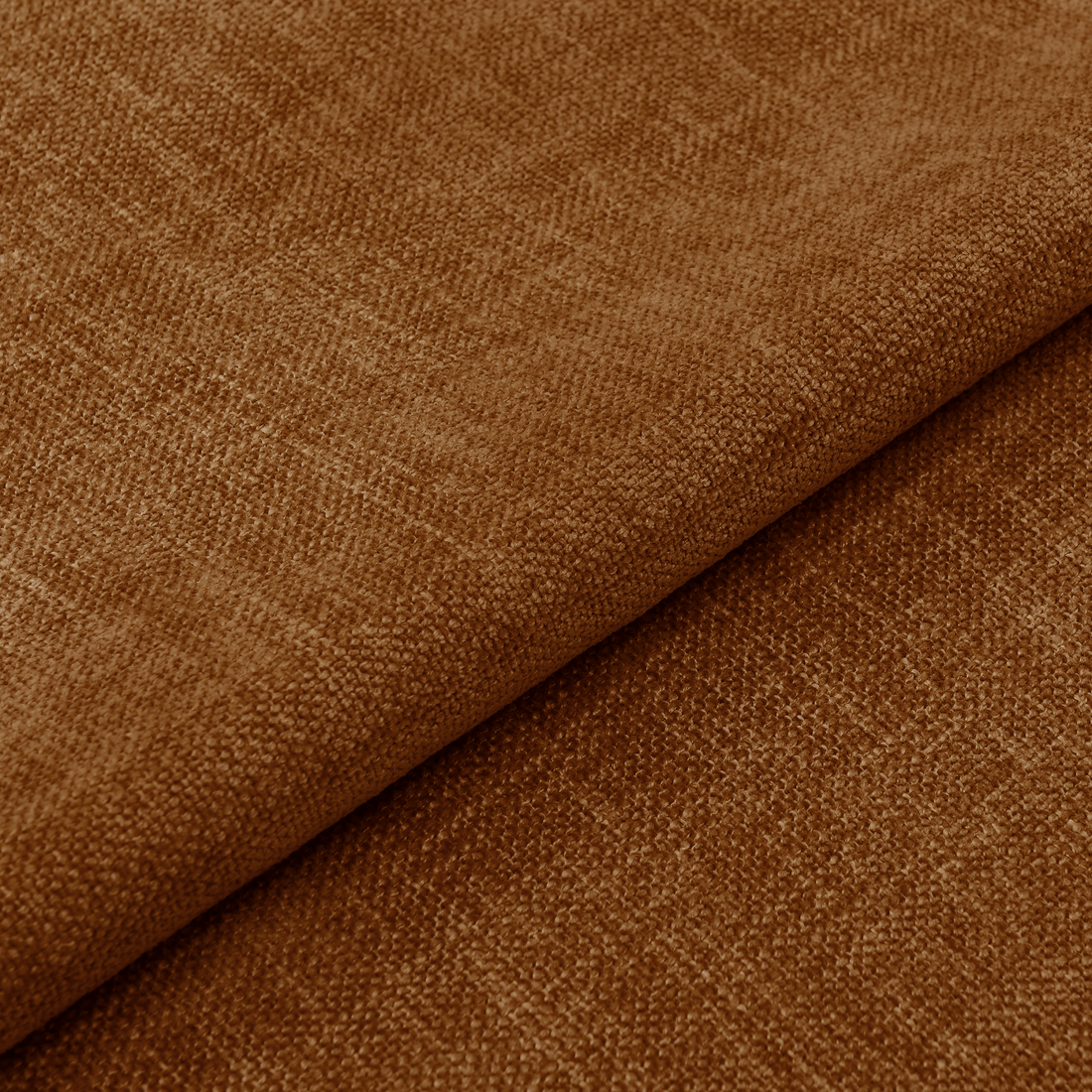
When woven fabric enhances the seat
Woven fabric, a material with character In the world of high-end furniture, the choice of upholstery determines both the aesthetics and the longevity of a sofa. Among the options, woven fabric stands out as a reliable choice . Its principle is based on the perpendicular interlacing of warp and weft threads—a technique that ensures remarkable strength . This construction provides significantly greater resistance than traditional knits, while maintaining a timeless elegance . Beyond its robustness, woven fabric captivates with its visual richness . Its subtly interwoven shades create a delicate texture, adding depth to a seat and more easily concealing minor everyday marks. Its refined texture blends harmoniously into both contemporary and classic interiors , making woven fabric seating an ally that is both aesthetically pleasing and practical. The essential criteria for an informed choice Choosing a woven fabric sofa (or armchair) isn't just about style. Several factors need to be considered to find the right balance between comfort, durability, and decorative harmony. The strength of the weave is the primary criterion. A fine, tight weave will offer better resistance to wear and tear than a looser weave. For busy interiors, where children and pets share daily life, this detail becomes crucial. Next comes resistance to rubbing and fading . Fabrics certified by Martindale or Piling tests guarantee impeccable durability over the years. These standards ensure furniture designed to last, even with intensive use. Ease of care is another advantage of woven fabrics, particularly when they combine natural and synthetic fibers. This hybrid composition allows for a blend of comfort and practicality, offering enhanced stain protection and simplifying cleaning. The aesthetic choice deserves special attention. The woven texture provides a distinctive, textured effect that enhances the overall look and adds character. As for colors, it is recommended to choose balanced shades—neither too light nor too dark—to maintain the elegance of the seat while also facilitating daily maintenance. Finally, comfort remains a priority. Thanks to its airy structure, the woven fabric promotes a breathable and lightweight seat. Its feel, both soft and textured, contributes to the sensory experience of the sofa, perfectly aligned with the pursuit of lasting well-being. Towards a choice adapted to usage Every interior has its requirements, and the woven fabric sofa knows how to meet them perfectly. In a family setting , it is recommended to choose models with removable covers or stain-resistant treatments. This choice ensures peace of mind in the face of everyday mishaps, without compromising on elegance. For spaces where animals are present, a tight weave is the obvious choice. It minimizes snags and maintains its impeccable appearance over time. Quality labels—notably Martindale—provide reliable indicators to confirm the flooring's resistance and durability. Finally, woven fabric isn't limited to a purely functional role. Its texture and relief make it a true decorative element . Its woven appearance blends subtly with fine materials—solid wood, brushed metal, leather—enriching the overall harmony of the living room. A careful selection, in keeping with the room's color palette, transforms the sofa into a centerpiece, capable of structuring the ambiance of an interior. The signature of an elegant and timeless interior Choosing a woven fabric sofa means opting for seating that combines aesthetics and durability. This upholstery is distinguished by its strength, ease of maintenance, and understated elegance, making each model a lasting investment. Beyond the material itself, considerations must include intended use, the quality of the weave, and its compatibility with the existing décor. When selected with care, a woven fabric sofa becomes a lasting companion, enhancing the interior with its beauty and resilience.
Learn more
Essentials for protecting your sofa in summer
Summer invites us to relax, enjoy sunny afternoons, and share moments with friends and family. Living spaces open up, curtains flutter in the breeze, and the living room becomes a stage for renewed conviviality. Yet, this bright season places particular demands on furniture. Whether it's a fabric or leather sofa , a corner model , or modular seating , whatever its type, special attention is required to preserve its quality against the harsh summer weather. Prolonged heat, intense sunlight, humidity, spills of refreshing drinks... These are all factors that can affect the comfort and appearance of your sofa. Adopting the right techniques, with precision and consistency, is the key to preserving the beauty of this centerpiece. Invest in summer textile protection The simplest and arguably most elegant way to protect your sofa during the summer months is to cover it. Far from being purely utilitarian, textiles can become a natural extension of your interior style. Natural fabrics – cotton and linen – are ideal for this season. Soft to the touch and breathable, they provide comfortable temperature regulation while absorbing moisture. They thus create a discreet barrier against perspiration and repeated friction. To maintain a bright and refreshing atmosphere, light colors are best. Cream, beige, and sand reflect light and limit the temperature rise of the seat. In the spirit of aesthetic continuity, a light throw carefully placed or a custom-made cover will dress the sofa with refinement while preserving it. Outdoors or on a patio, a waterproof cover is essential. It protects against nighttime dampness, accidental splashes, and prolonged sun exposure. It's also advisable to bring the cushions inside when the furniture isn't in use to prevent premature wear and tear. To create a barrier against the sun and heat Natural light is precious, but it can also be harsh on upholstery. Ultraviolet rays accelerate fabric fading, dull colors, and weaken the fiber structure. On leather, they cause drying, stiffening, and cracking. Ideally, the sofa should be placed away from south-facing windows. When this isn't possible, heavy curtains, light-filtering blinds, or blackout drapes will reduce the light intensity during the hottest hours of the day. During a prolonged absence, completely covering the sofa with a white cotton sheet is remarkably effective in limiting the effects of solar radiation. Apply a suitable waterproofing treatment For those who wish to strengthen the resistance of their sofa against the vagaries of summer, a waterproofing treatment remains a particularly wise option. In practical terms, it's a colorless spray that creates a thin protective film on the surface of fabric or leather. This invisible layer prevents liquids from penetrating immediately, thus providing valuable leeway for wiping up a spilled drink or an accidental stain. Often certified as eco-friendly and solvent-free, the latest formulas respect materials while limiting their exposure to moisture. They are particularly recommended in the presence of young children or animals . It should be noted, however, that this protection is not permanent. Annual application, or even semi-annual application in the case of intensive use, is recommended to maintain its effectiveness. Increase maintenance during the summer season In summer, the house breathes more. The windows remain open, air currents circulate and outside dust more easily finds its way into the upholstery. More frequent maintenance then becomes essential to preserve the sofa's shine. Each week, a thorough dusting with a vacuum cleaner equipped with a brush attachment removes fine particles and allergens. This simple step prevents the accumulation of residue that could alter the fabric's texture or dull the colors. It is also advisable to turn the cushions over and pat them to aerate the filling and prevent localized sagging. For models with removable covers , washing every two to three weeks helps maintain impeccable cleanliness without compromising the fabric's durability. It is essential to follow the washing instructions for machine washing. Finally, if the material allows it, a gentle steam cleaning at the end of summer provides a complete restoration, eliminating ingrained dust, mites and other particles. Small additional steps for a lasting result Some discreet but effective tips make all the difference in the long run. On the hottest days, slipping an ultra-thin cotton towel under the foot or cover helps to enhance moisture absorption without compromising seating comfort. On a leather sofa , even more care is needed. It is recommended to avoid prolonged contact with water, to dust with a soft cloth, and above all, to regularly apply a nourishing lotion or protective cream. Some care products also contain a UV filter, prolonging the suppleness and shine of the leather, even in summer. Preserving elegance through the seasons Protecting the sofa during the summer months is like extending the life of an aesthetic and functional investment. By combining simple actions and suitable products, by favouring breathable materials and by controlling exposure to light, it is possible to get through the summer without altering either the beauty or the texture.
Learn more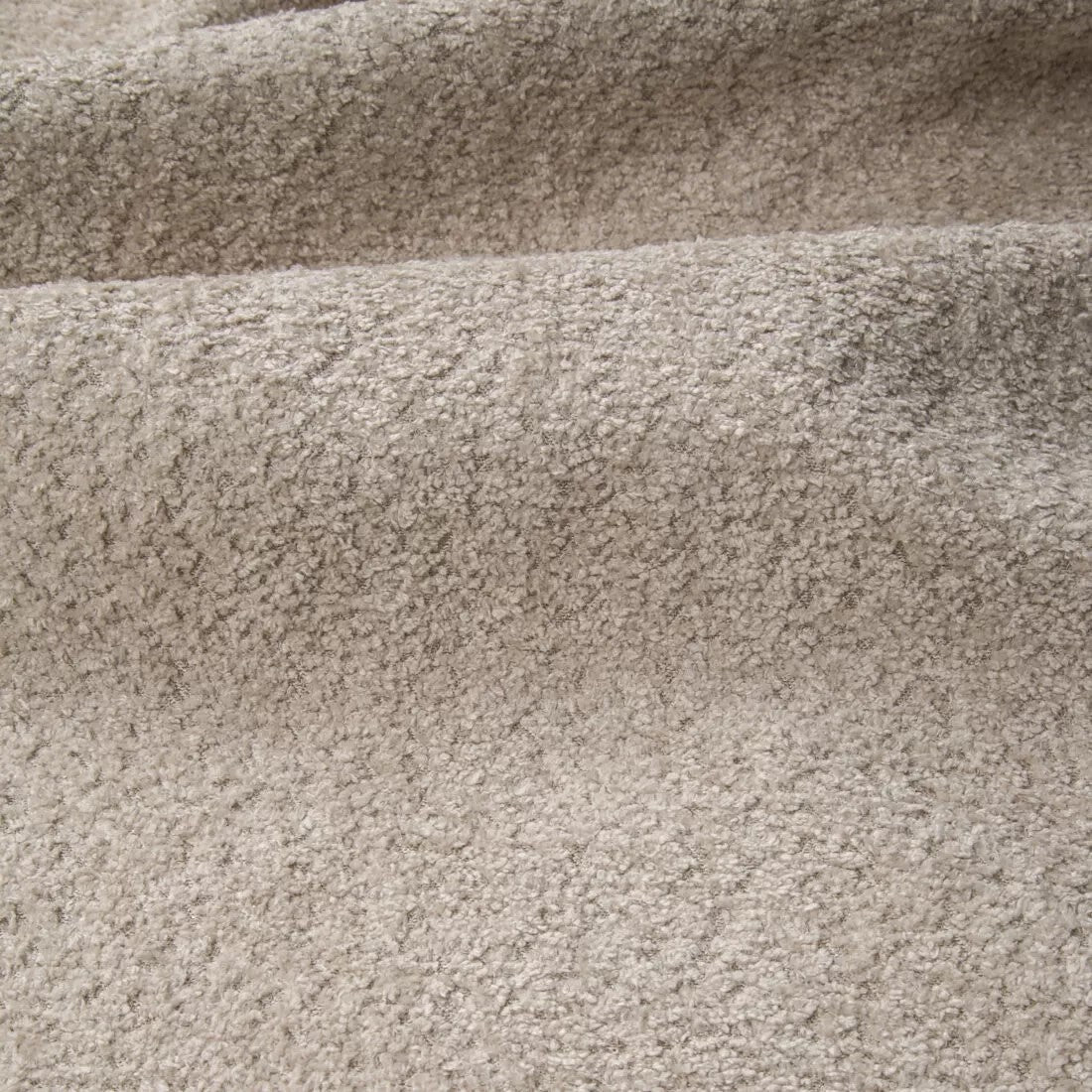
Lightweight sofa covers for summer
As the days grow longer and the light softens, a desire for freshness and lightness naturally takes hold indoors. The sofa then lends itself to a subtle transformation: reupholstering with summery accents. Natural materials, light colors, delicate textures. Textiles become a canvas for expression, conducive to a calm and luminous atmosphere. Linen for an airy and natural elegance Linen embodies the very essence of summer . It captivates with its cool feel, its undeniable lightness, and its natural drape. Lightly textured, it literally breathes in the light, lending the sofa a spontaneous, almost intuitive air . It's a living fabric , gracefully embracing its suppleness and folds in an aesthetic that is both simple and sophisticated. Linen evokes holiday homes, sea breezes, and the elegant simplicity of the seaside. Available in shades of sand, off-white, or cream, it subtly suggests a relaxed yet sophisticated summer lifestyle . It also finds its place in bolder designs while retaining its characteristic discreet and refined presence. Cotton for understated softness Another essential for the warmer months, cotton offers comfortable softness and a pleasant feel , without any pretense. Its matte appearance and supple weave are reminiscent of everyday textiles, appreciated for their simplicity and ease of care. In summer, it comes in pastel shades or muted tones, but can also feature floral patterns or light stripes to create a more assertive look. Cotton remains a good choice for those seeking comfortable seating without sacrificing a certain understated elegance. When it adorns a sofa with clean lines, it enhances that feeling of soothing brightness , essential to a summer living space. Linen and cotton blend: the perfect balance between softness and structure When linen and cotton come together, they create a balanced, structured, and supple fabric . This harmonious blend combines the breathable freshness of linen with the softness of cotton for a delicate visual effect. The slight irregularity of the weave gives the fabric a subtle presence, while its comfort is perfectly suited to the summer heat. This type of coating is also well-suited to powdery or natural hues. It also offers greater everyday durability without sacrificing the visual lightness desired at this time of year. The bouclé fabric for a contemporary texture Often associated with the colder seasons, bouclé fabric can take on a completely different character when its weave becomes finer and lighter, and its color flirts with chalky whites or milky tones. This textured material, full of character, interacts subtly with natural elements – wood, rattan, handcrafted ceramics. In a light-filled environment, the bouclé fabric stands out with its soft texture and its ability to capture the daylight. It then envelops the sofa in a warm yet never heavy aura , adding a touch of soul to its visual comfort. Focus on clarity and visual lightness Beyond the choice of materials, it's the chromatic harmony that gives the sofa its full summery feel. Light, mineral hues naturally stand out. Off-white, beige, blue, green, or yellow create soft and luminous atmospheres, without ever overwhelming the space. The way things are combined plays an equally important role. A light-colored sofa brightens up when paired with washed linen cushions , a cotton throw, or a light wood or rattan coffee table. Plants also have their place in this setting: a houseplant with delicate foliage or a bouquet of dried flowers visually extends the feeling of nature and freshness. When summer arrives Creating a summery atmosphere doesn't mean succumbing to fleeting seasons. On the contrary, it's about establishing a seamless continuity between indoors and outdoors, between materials and light. Summer finishes aren't a decorative interlude, but a way to subtly and sensitively integrate the rhythm of the seasons into everyday life. Conversely, certain materials should be avoided when aiming for a light, seasonal feel. Velvet , leather, and dense textures are more reminiscent of autumn or winter. They visually weigh down the space and trap heat, precisely where freshness and brightness are desired. A summer sofa is not a static object, confined to a single season, but a point of equilibrium. It welcomes natural and breathable materials, luminous hues, and understated yet sensory combinations. It becomes the vibrant heart of an interior that gently embraces summer, without sacrificing coherence or elegance.
Learn more
How to protect your sofa in summer?
Summer has arrived in our homes, bringing with it bright light, warm temperatures, and a cozy atmosphere. The living room becomes a soothing haven, filled with leisurely afternoons and extended gatherings. The sofa naturally finds its place, both functional and symbolic. But in this radiant season, it is more exposed to increased use and daily wear and tear: heat, UV rays, humidity, and stains. All these factors, over time, damage its materials, dull its colors, and compromise its longevity. Through a series of actions and choices, it becomes possible to protect it without losing its elegance. Protect the sofa from light and intense heat. Exposure to light is the first challenge. While sunlight enhances the shape and reveals the texture of materials, it can also be detrimental to a sofa . Its rays accelerate fabric fading, dry out leather, and prematurely wear out the fibers. For this reason, the sofa 's placement plays a crucial role. Positioned near a south-facing window or under a bright light source, it is exposed to constant light intensity. A simple adjustment of the layout can often limit this direct exposure while preserving the room's natural brightness. When space is limited, light filtering becomes essential. Sheer curtains create a soft, intimate atmosphere while diffusing light into a gentle, enveloping glow. More efficient blinds offer protection against excessive heat, helping to maintain a comfortable temperature without compromising the overall aesthetic. During the hottest hours of the day, a simple gesture is all it takes to preserve the integrity of the upholstery. A cotton sheet or a linen throw creates an almost imperceptible protective barrier. In particularly exposed environments—verandas, south-facing living rooms—using a UV-resistant cover becomes essential, fitting the sofa 's contours perfectly. This textile cover then forms a second skin, both preventative and aesthetically pleasing. Anticipate summer stains and ambient humidity The summer season brings many opportunities for intensive use. Cool drinks, casual meals, and convivial moments readily take place in the living room. However, these pleasures can leave lasting marks on textiles and leather. A water-repellent textile treatment applied at the start of the season acts as a first line of defense. It forms an invisible film that prevents liquids from penetrating the fibers. The protected surface allows for immediate cleaning and prevents the appearance of deep stains. Afterward, maintenance becomes simpler and more effective: wiping with a soft, dry cloth removes all kinds of residue. These steps help maintain the vibrancy of the fabric, preventing colors from fading and the fibers from becoming soiled. Additional textiles play a complementary role here. A lightweight, easy-to-wash throw , placed over high-traffic areas, becomes an attractive barrier, absorbing everyday mishaps. Machine washable, it regains its freshness in a few hours, ready to extend the season with complete peace of mind. Often overlooked, ambient humidity is an insidious factor in deterioration. To preserve the immediate environment of the sofa , natural ventilation is essential every day. Opening windows wide during the cooler hours promotes air renewal and prevents stagnation. In particularly humid regions, a dehumidifier can stabilize the atmosphere and prevent the appearance of mold or unpleasant odors. Adapt the protection to the nature of the coating Each material expresses its own sensitivity which requires specific care. Breathable fabrics – linen, cotton – promote freshness and lightness. In summer, their suppleness allows for the use of washable covers, easy to replace without altering the overall feel of the space. Thick textures – such as velvet – retain more heat and require increased vigilance, especially in the case of prolonged exposure. A living and precious material, leather requires special care. Applying a specific lotion two or three times a season, ideally enriched with a UV filter, preserves its suppleness and prevents cracking. For routine cleaning, a soft, barely damp cloth is all that's needed to maintain its natural patina without damaging it. Synthetic coatings are more resistant to repeated use but remain sensitive to certain chemicals. Using mild, non-abrasive cleaners ensures increased longevity without the risk of fading or deformation. Consider temporary outdoor use The desire to extend the comfort of the living room beyond the interior walls may arise during the summer months. A sofa placed on a shaded terrace, in a veranda, or a loggia provides the perfect setting for a leisurely lunch or a moment of quiet relaxation. However, this outing remains occasional and must be strictly governed by essential precautions . Even when outdoors in a sheltered location, double textile protection is essential: a thick sheet or a waterproof cover effectively isolates the upholstery from the elements. Pollen, dust, UV rays, and nighttime humidity all represent invisible threats. Bringing the sofa indoors at the end of the day is imperative. Prolonged exposure that could damage the materials must be avoided. Create a gentle summer atmosphere Protecting a sofa is inextricably linked to a broader reflection on the interior atmosphere. In summer, the aesthetic becomes more airy, textures lighter, and materials evoke a sense of freshness. Cushions are adorned with cotton covers , throws adopt lightweight weaves, and the color palette softens—beige, cream, sage green. These elements serve more than just a practical function; they become the vehicles for a coherent, seasonal visual language. Textile mists made with light, natural fragrances diffuse a feeling of cleanliness and serenity. Subtle notes of white tea or orange blossom envelop the seat between uses, without ever saturating the fabric. Sprayed from a distance, they discreetly and perfectly capture the essence of summer. Protection as an extension of style Protecting your sofa in summer means preserving its stylish look without ever compromising its essence. A few simple steps are all it takes to maintain the fabric, color, and comfort, creating a seamless blend of care and aesthetics.
Learn more
Preserving the beauty of your sofa
The sofa occupies a central place in our daily lives. It embodies both a refuge and an aesthetic landmark, an object of comfort as well as a key piece of interior design. To ensure it retains its original appearance and quality over the years, regular maintenance tailored to its material is essential. Each type of upholstery requires specific care. Here's what you need to know to preserve the elegance and appearance of your sofa for years to come. Preserving the beauty of a woven fabric sofa Fabric sofas are appealing because of their comfort and versatility. Their maintenance involves a few simple but essential steps. Daily care Dust is the silent enemy of fabric sofas . As it accumulates, it dulls colors, promotes allergies, and impairs air quality. Weekly cleaning is therefore essential. Vacuuming , using a specific attachment, removes dust, crumbs, and other particles, paying particular attention to seams, corners, and the areas between cushions. The presence of pets requires extra care: hair can be easily removed with an adhesive roller . Solutions for stains When it comes to stains, quick action is essential. On a model with a removable cover , it is possible to remove the cover and machine wash it , following the instructions on the label: delicate cycle at 30°C, mild detergent, air dry, away from sunlight. For a sofa with a non-removable cover , a solution of lukewarm water mixed with white vinegar or mild soap is recommended. Gently dab the stain with a clean cloth, without rubbing, to avoid damaging the fabric. In all cases, it is best to test the cleaning product on a discreet area before applying it more widely . The effective trick Adding a throw blanket is an effective way to prevent wear and tear and stains. It protects the fabric while adding a warm touch to the overall look. Keep the velvet's shine Velvet is appealing because of its silky feel and sophisticated look. But its dense texture, composed of fine fibers, makes it susceptible to friction, liquids, and dust. Take care of the velvet daily Two simple steps allow you to maintain a velvet sofa on a daily basis. The first consists of a gentle weekly suction , carried out using a suitable nozzle, to limit the accumulation of particles. The other method involves dry brushing . Using a soft brush, this method helps to straighten the fibers and revive the fabric's appearance, always following the direction of the nap. This technique is also ideal for treating dried-on stains . Stain removal On models with removable covers , machine cleaning is possible if the manufacturer's instructions are followed: long and gentle cycle at 30°C, mild detergent, natural drying and away from any heat source. For sofas with non-removable covers , it's best to act quickly. A solution of mild soap and white vinegar can be applied immediately to the stain. As for dry stains , they can be treated with talc or baking soda, left to sit for a few hours before removing with a slightly damp cloth or a vacuum cleaner. If in doubt, professional cleaning services can be considered. And as always, it is wise to test cleaning products on an inconspicuous area before any application . Prevention measures to be aware of Preventive measures can effectively protect velvet . Applying a special velvet protective spray , which is stain and moisture resistant, prolongs the upholstery's shine. It is essential to choose a compatible product and follow the manufacturer's recommendations. The throw blanket remains, here too, a perfect choice. It protects the fabric while enhancing the cozy feel of velvet . Preserve the unique texture of the loop Prized for its textured aesthetic and enveloping comfort, the looped fabric sofa requires special care. The loops easily trap dust and hair, and can be damaged by contact with moisture or by uncontrolled friction . Simple everyday actions The cleaning process should begin by gently removing dust, crumbs and other particles with a vacuum cleaner with a special nozzle to preserve the curls, which are already weakened by daily use. For pet hair, an adhesive roller remains the best option . Removing stubborn stains In case of a stain, it is recommended to gently dab the affected area with a slightly damp sponge or cloth soaked in a mild solution. Then allow it to air dry. Any solution must be tested on an inconspicuous part of the sofa before widespread application . Some practical tips Terry cloth is sensitive to excess water. Therefore, it is essential to avoid excessively wet cleaning . It is best to use only a small amount of liquid and opt for gentle, non-abrasive products. Common mistakes to avoid Regardless of the type of coating, two recurring mistakes must be avoided. The first issue concerns excessive rubbing . This damages the fibers and deteriorates the coating, and also risks setting the stain further and making it more difficult to remove. Gentle blotting is perfectly sufficient. The second mistake is excessively wetting the affected area. The upholstery remains sensitive to excess water, resulting in visible rings or causing deformation. To treat a stain, it is best to use a slightly damp cloth, then a second dry cloth to absorb the excess moisture. Maintaining the elegance of a sofa Caring for a sofa goes far beyond simply keeping it clean. It's also about preserving its appearance, comfort, and quality. By dedicating a little time to proper upholstery care, you can prevent wear and tear and extend its lifespan.
Learn more