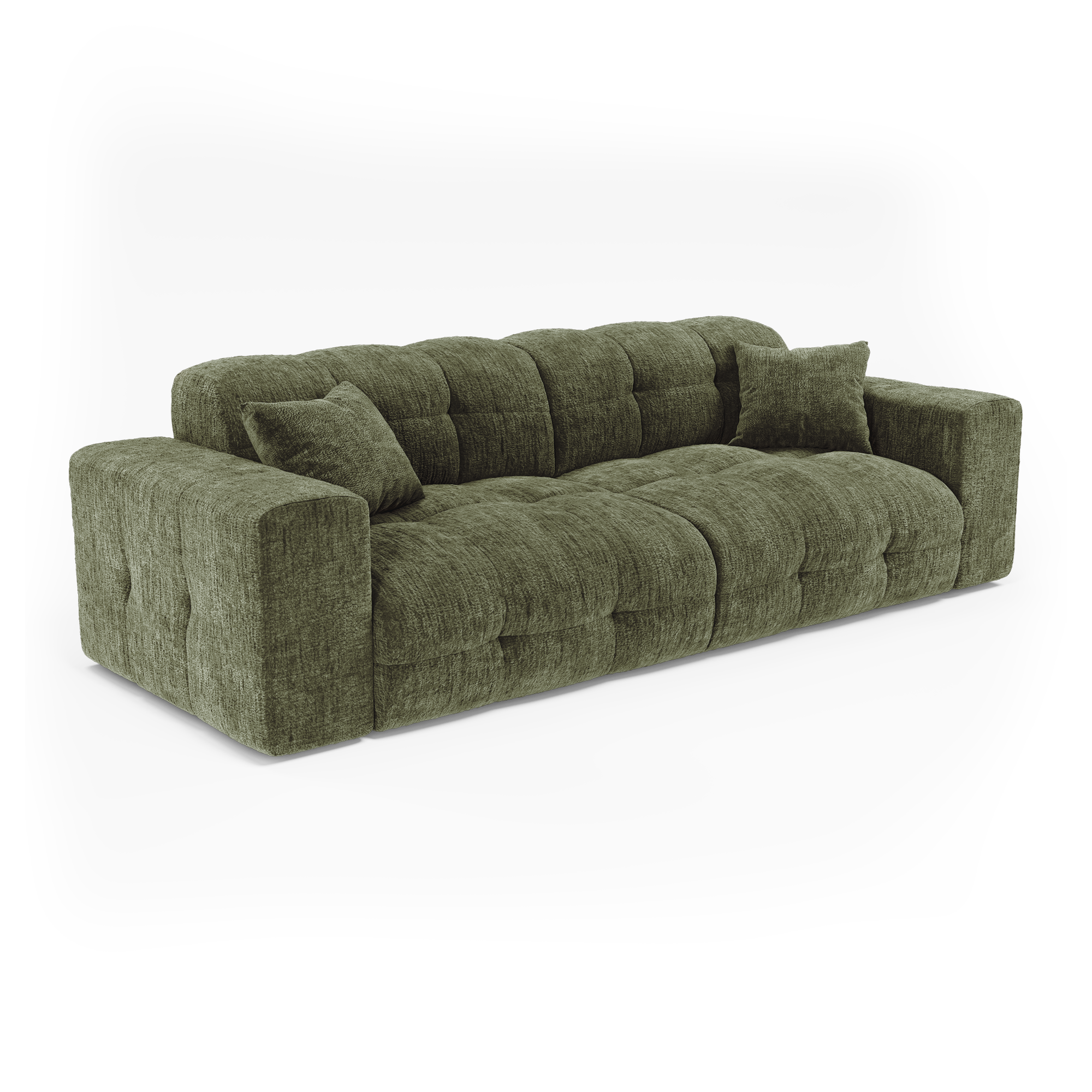


The elegance of classic style in our interiors
Certain aesthetics transcend time without ever losing their allure. With its formal rigor and symbolic depth, the classical style is capable of uniting tradition and timelessness. It embodies a vision of elegance founded on the mastery of proportions, the nobility of materials, and an attention to detail. In the world of interior design, it remains an absolute benchmark, both stable and inspiring. The origins of the classical style The classical style finds its origins in the major European artistic movements, whose founding principles it adopts. From Greco-Roman antiquity to the Renaissance, by way of 17th-century French Classicism, it draws on a solid cultural heritage that still structures the design of many interiors today. This style is characterized by a search for order and symmetry . Volumes are balanced, compositions are organized around clear axes, with particular attention paid to proportions. This rigor gives spaces a feeling of stability and coherence. The sophistication of the classical style lies in its meticulous attention to detail , where every decorative element is carefully considered. The presence of moldings emphasizes the architectural lines, while gilding punctuates the surfaces with restraint. The woodwork is crafted with exceptional skill, and marquetry adds richness without overwhelming the space. This results in a discreet elegance, grounded in mastery and precision. As for the materials chosen, they embody permanence and nobility . Solid wood, sculpted bronze, delicate silks, natural stones, each of them gives a durable and distinctive appearance. The style is thus distinguished by its ability to transcend time without ever going out of style. Rooted in a strong cultural heritage, it also engages with the particularities of today. Creating a classic interior The iconic furniture of the classical style is distinguished by its generous and balanced forms . Sofas and armchairs often feature medallion backs, whose curves lend an air of both comfort and majesty. Consoles, sideboards, and chests of drawers are adorned with refined marquetry or gilt-bronze details, testaments to meticulous craftsmanship. While present, these pieces remain proportionate, structuring the space without overwhelming or dominating it. The architectural and decorative elements complete this arrangement with great precision. Moldings, cornices, overmantels, and woodwork define the volumes and perspectives, lending a certain depth to the whole. The fireplace, often made of marble or stone, occupies a central position, the true heart of the room. Finally, elegant chandeliers, mirrors with antique frames, and gilded wall sconces reinforce this refined atmosphere, blending functionality and beauty. As for the finishes and materials, these contribute fully to the feeling of quality and comfort . Solid oak parquet and marble floors bring elegance, while fine textiles – velvet, linen, or silk – adorn curtains, cushions , and rugs. These varied textures create a subtle interplay between softness and structure. Finally, the color palette is based on a neutral palette of ivory, beige, and taupe to create a luminous and calming atmosphere. Rich and deep accents, such as burgundy, midnight blue, and patinated gold, are added to punctuate and enliven the overall effect. The palette must, however, remain soft and muted to envelop the space in a harmonious and welcoming ambiance. Reinterpreting the classic style with precision Classical style can evolve without denying its foundations. Far from being static, it offers an ideal basis for contemporary reinterpretations, provided that its sense of proportion, detail, and quality is preserved. The first approach involves introducing modern elements to contrast with the traditional decor. A minimalist coffee table, an armchair with clean lines, or a contemporary artwork can coexist with more ornate, classic pieces. This interplay of contrasts creates a visual lightness while highlighting the richness of the period furniture. Modernizing classic style also means knowing how to lighten it without diminishing its presence . It's not about erasing its defining features, but about clarifying its interpretation. For example, highlighting a few key pieces (carefully showcased) allows their unique character to shine. A marquetry sideboard, a gilded mirror, or a crystal chandelier can truly express themselves when placed within a minimalist setting. Well-managed contrasts play a crucial role here. The combination of antique and contemporary materials creates a stimulating tension. Solid wood pairs perfectly with black metal, velvet with polished concrete, and period moldings with minimalist furniture. These combinations enrich the décor and establish a harmonious dialogue between past and present. The result is a renewed classic style, more airy, more personal, but still faithful to its original spirit. An elegance that transcends time Rooted in a rich historical heritage, the classical style is distinguished by its sense of balance, the quality of its materials, and the refinement of its details. Structured by precise codes (proportionate furniture, symmetrical decor, meticulous finishes), it creates interiors that are at once stable, harmonious, and profoundly elegant. But far from being stuck in a bygone aesthetic, the classical style lends itself to subtle reinterpretations today. By lightening compositions, playing with contrasts of materials, or simply integrating contemporary elements with restraint, the style continues to evolve without ever losing sight of timelessness and mastery. Discover our collection of classic sofas , inspired by the heritage of style and designed to fit into today's interiors.
Learn more
Convertible sofa or express sofa: how to choose?
The sofa has become a central element in our homes, combining both comfort and aesthetics. Beyond its role as a seat, it has become a key object in our daily lives. When it comes to reconciling relaxation space and sleeping space, the choice can prove tricky. Although similar, the convertible sofa and the express sofa each have their own unique qualities. Their differences are not always obvious, but they are essential when planning your furniture for the long term. Comfort and design combined in the express convertible sofa with mattress The Express sofa stands out for its ability to combine optimal comfort and practicality. Thanks to its integrated mattress, it provides a sleeping solution comparable to that of a real bed . This mattress is distinguished by its superior quality, ideal thickness, and guaranteed comfort. Furthermore, its opening system, whether express or pull-out, makes it easy to use every day. Often, a simple movement is all it takes to transform the sofa into a bed. In terms of structure, the addition of a mattress enhances the furniture's sturdiness and durability, while also increasing its weight. This level of comfort makes it an ideal choice for dual-use living spaces - studios or guest rooms. The transformable elegance of the convertible sofa with storage compartment The convertible sofa stands out for its versatility, offering comfortable seating and transforming into a spare bed when unfolded. Its seats then serve as the bed's support, making it less suitable for everyday use. Like the express sofa , it unfolds easily thanks to its integrated mechanism. Once opened, it reveals practical storage spaces, perfect for optimizing space by storing cushions and linens. This feature is particularly appreciated in contemporary interiors where furniture must be both practical and aesthetically pleasing. The convertible sofa meets the expectations of households looking for adaptable furniture. Understanding the differences The main distinction between a sofa bed and a convertible sofa lies primarily in the mattresses and sleeping supports. However, other important elements further accentuate their differences. The Express sofa bed stands out for its practicality, offering a quality sleeping surface designed for everyday use . Conceived to provide a quick and functional solution, it prioritizes practicality and comfort above all else. This focus explains the simplicity of its various designs, where aesthetics often take a backseat. Its primary objective is to guarantee a peaceful night's sleep and to be easily forgotten once folded away. On the other hand, the convertible sofa is appealing because of its design. The absence of a built-in mattress allows for a greater variety of models : straight, corner , or panoramic sofas. This stylistic flexibility allows it to adapt to different types of interiors and decors, while retaining its primary function as seating. The keys to making the right choice The choice between an express sofa and a convertible sofa depends primarily on how it will be used. Designed for everyday use, the Express sofa stands out thanks to the quality of its integrated mattress . This mattress is designed to offer optimal comfort and prevent the development of body tension. Its smooth opening mechanism makes it a practical and quick solution for frequent use. Ideal for small apartments or for those who frequently host guests. On the contrary, the convertible sofa embodies versatility. Designed to transform into an extra bed , it relies on a system where the seat becomes the sleeping surface. This design prioritizes modularity and allows for the integration of clever storage spaces, thanks to its storage compartment. Available space also plays a crucial role. A sofa bed requires more space due to its integrated mattress and the way it unfolds. As for a convertible sofa , it adapts easily to more compact interiors thanks to its optimized formats – click-clack, futon, etc. Finally, aesthetics differentiate these two alternatives. The express sofa prioritizes functionality above all else, making it a piece of furniture with limited design options. Conversely, the convertible sofa offers greater freedom in terms of design. It is often available in various configurations—straight, corner , panoramic, or modular—to suit every interior style. Reinvent your space with a convertible sofa or an express sofa Each model meets specific needs. The convertible sofa is an ideal solution for an extra bed, combining practicality and space saving. As for the express sofa , it prioritizes comfort and ease of use for a suitable resting space. A carefully curated selection harmonizes functionality and aesthetics, perfectly suited to the requirements of every interior. Discover our collection where design and comfort intertwine to meet all expectations.
Learn more
The most beautiful colors for the sofa and interior
In a high-end interior, every detail contributes to the overall harmony. Among these, the choice of colors plays a strategic role: it structures the space, creates points of visual tension, or, conversely, establishes a serene atmosphere. As the centerpiece of the living room, the sofa becomes the starting point for this subtle interplay of colors, transforming the space into a place of character. The key role of colors in balancing the living room Color acts as an invisible yet essential component of interior design. It structures the perception of a space, defines its atmosphere, and shapes its character. Light colors visually enlarge a room, creating a sense of openness and lightness. Deeper tones create a more enveloping and structured, sometimes more intimate, ambiance. The choice of colors around the sofa also contributes to this subtle balance. The hues of the walls, floors, rugs, and accessories should complement the sofa's color without ever overpowering it. A tone-on-tone harmony creates a soft and seamless ambiance; a well-considered contrast offers an interesting interplay of visual depth. The overall effect should remain coherent, fluid, and easy to navigate. The chosen color palette directly influences the overall atmosphere of the room. Some tones induce relaxation, such as natural or soft shades; others instill rhythm, dynamism, or even a form of sophistication. Colour is never simply “pretty”: it creates a true visual experience . Enhance the sofa with well-coordinated color choices. To truly showcase a sofa , it should be considered the starting point of a composition. A well-chosen color allows the room to be structured around a strong visual focal point, without imposing a rigid decorative feel. If the sofa is a bold color, the surrounding elements can opt for understated elegance with light, natural, or mineral tones. Conversely, a neutral sofa provides an ideal canvas for introducing bolder shades in small touches. Next come the accessories — cushions , curtains, throws, decorative objects—invaluable tools for balancing the overall look . They can echo the sofa's color, extend it, or create a contrast, depending on the desired effect. Their role is also to create rhythm, particularly through the use of varied materials: bouclé, velvet, and so on. Combined with a restrained color palette, they add depth without overwhelming the space. Pitfalls to avoid in order to preserve visual harmony A successful composition often relies on what one chooses not to do. For example, light is a crucial and often overlooked factor. The chosen color can change completely depending on the room's exposure to light—natural or artificial. What might appear warm in daylight can become dull or overly yellow in the evening. Anticipating these variations ensures a consistent color palette throughout the entire lighting cycle. Another common mistake is using too many colors without a clear direction . A palette that's too scattered, without a clear hierarchy, breaks the visual unity and makes it difficult to read the space. It's better to stick to two or three dominant colors, perhaps complemented by a subtly used accent color. The 60-30-10 rule provides a simple and effective framework: 60% of a main color, 30% of a secondary color, and 10% of an accent color. Some inspiration for a balanced and elegant living room Certain color combinations naturally embody elegance. In a living room, a grey sofa harmonizes with cushions in powder pink and sage green, creating a calm and contemporary atmosphere . For a bolder effect, a midnight blue model , accompanied by details in charcoal black and brushed brass, establishes a graphic and modern aesthetic. Warm hues, particularly terracotta , blend subtly with beige rugs and mustard cushions , creating a sunny and inviting atmosphere . Conversely, an ecru sofa placed within a minimalist setting creates a chic, understated look inspired by Japanese design. For a Mediterranean ambiance , a beige sofa punctuated with deep blue decor and terracotta evokes the light of the south while maintaining a certain aesthetic restraint. When color becomes balance The sofa, the central element of the living room, single-handedly structures the perception of space. Around it, each color finds its place, subtly blending and balancing. A carefully considered color palette not only enhances the sofa but also opens up, calms, or energizes the room. Between dominant hues and subtle accents, between texture and light, the whole creates a silent dialogue, resulting in a coherent and refined atmosphere.
Learn more
Living room trends in 2025
By 2025, the living room will be a fully-fledged living space, designed with high standards and balance. Comfort, aesthetics, and quality materials will be central to design choices. Lines will become more enveloping, materials will gain texture, and color palettes will be meticulously crafted, creating harmonious and visually soothing interiors. A rich but nuanced color palette The living room's color scheme leans towards a more subtle and structured approach. Neutral tones remain a preferred base. Off-white, light gray, taupe, and beige create a bright and balanced atmosphere , easily combined with bolder elements. Meanwhile, some vibrant colors are making a comeback. Bright blue, emerald green, and mustard yellow, in particular, are reminiscent of the 1970s, but reinterpreted in a contemporary and restrained way . Otherwise, natural shades of green harmonize with earthy tones like sand, ochre, and brown. This season, several colors dominate our interiors. Brown offers a rich depth; terracotta brings a warm ambiance; and beige , timeless, infuses a soothing atmosphere. Added to this is Pantone's 2025 Color of the Year: Moss Moss , a milky brown with warm, enveloping undertones, perfect for creating contemporary, cozy spaces. Between raw textures and textile softness Materials are no longer simply decorative. Today, they reflect a desire to refocus space around what is durable, sensitive and true, revealing a quest for stability and coherence. Raw materials are essential for their ability to structure space with strength and simplicity. Wood, whether light or dark, brings natural warmth while asserting a certain rigor in its lines. It satisfies a desire for authentic materials, free from treatment or artifice. As for marble, it captivates with its mineral appearance, its unique veining, and its timeless quality. Natural materials like stone or ceramic respond to this quest for authenticity . Their irregular appearance and organic feel lend an almost sensory dimension. They reintroduce a sense of truth into interior design, reflecting a desire to slow down and prioritize sustainable materials. Metals are making a strong comeback, used as a subtle contrast to natural materials. Whether it's aluminum, wrought iron, brass, or chrome, their shine highlights volumes, structures pieces, and lends visual rhythm to the whole. Their popularity also stems from their versatility . They can accentuate an industrial, Art Deco, or minimalist aesthetic depending on how they are positioned. This year, in particular, they are being used as graphic or sculptural elements, balancing the softness of textures. In terms of textiles, velvet is a must-have this year due to its rich and enveloping feel. Its dense texture and soft touch provide comfort. Sculptural furniture and enveloping forms The year 2025 sees a departure from rigid furniture shapes, embracing more rounded and fluid silhouettes . The sofa remains the central element but offers more welcoming proportions – generous volumes, deep seats, continuous curves and soft lines. Signature pieces, the armchairs also feature sculptural and enveloping shapes, homogeneous finishes and a strong presence in the space. Trendy styles The Chic style remains a timeless choice. It favors noble materials—marble, glass, or dark woods—in a deliberately understated atmosphere, structured by plays of natural and diffused light. Velvet plays a significant role, particularly on seating. The Nature style embodies a quest for authenticity. The colors are soft, even earthy, and the materials are natural and textured – light wood, stone, porcelain, linen, hemp, wool. The overall effect creates a visually soothing world, grounded in the essential. The Vintage Retro style is making a comeback in a revisited version. Bold colors - orange, green - geometric patterns and rounded shapes evoke the 70s, with low furniture, often with satin finishes. Inspired by Japanese design, the Wabi-Sabi style celebrates the beauty of imperfection. It relies on textured materials—such as chamotte plaster, raw wood, and frosted glass—and clean lines. The goal is to create a visually simple yet expressive space, where every element has a purpose. This year's latest style trend is the charm of cocooning , which relies on a palette of browns and warm tones, soft textiles, and gentle lighting. It prioritizes a comfortable and reassuring atmosphere where every detail contributes to an immediate feeling of well-being. Towards a living room designed to last Living room trends in 2025 reflect a strong desire to create interiors that are elegant, functional, and sustainable. Far removed from fleeting fads, they are based on the use of authentic materials, enveloping shapes, and a subtly crafted color palette.
Learn more
Towards more sustainable furniture
In a world where sustainability is essential, the question of product end-of-life becomes paramount. Furniture, rich in diverse and high-quality materials, is central to environmental issues, both in its production and its fate. Too often, these pieces of furniture end up relegated to landfills, far removed from the potential for transformation and repurposing they could offer. Rethinking the end-of-life of furniture A piece of furniture shouldn't be designed solely for its function and aesthetics. It deserves to be considered holistically : from its conception to its eventual end. Imagining its end of life means extending its story while reducing its environmental impact. It also means meeting the expectations of a discerning public, attentive to materials, craftsmanship, and the ecological footprint left behind by each creation. Alternatives exist: they are concrete, accessible, and resolutely aligned with a circular design vision. Solutions that give products a second life , transformed or reused. Elevate the old to create something new With this in mind, we have chosen to implement an eco-responsible take-back service in partnership with JP Home. This initiative aligns with the requirements of the AGEC law (Anti-Waste for a Circular Economy) and the regulations on Waste Furniture Elements (DEA). It serves a dual purpose : to facilitate furniture renewal for our customers while ensuring the proper recycling of the items taken back. The principle is simple: when your new furniture is delivered, the carrier will collect the equivalent item . One two-seater sofa delivered = one two-seater sofa taken back. This "one-for-one" model is based on a perfect equivalence in quantity and type. The collected products are then sent to approved recycling or reuse channels . Some materials are repurposed, while others are directed to organizations that promote reuse. In all cases, no item is left behind. Each material is sorted, repurposed, and reintegrated into a new value chain. A smooth transition Our buyback service is not limited to simple collection. It represents real added value for our customers. One of its major advantages lies in its ease of use . When your new furniture is delivered, you don't need to do anything. The carrier takes care of your old furniture, relieving you of all the logistics. No need to go to a depot or recycling center: everything is organized for you, directly at your home, saving you time and giving you peace of mind. This is the whole point of a seamless service , designed to adapt to the demands of everyday life. Saving time, avoiding constraints and staying true to your convictions: the trade-in becomes a natural extension of the purchase. A more responsible design vision Far from being a mere novelty, this buyback service reflects a shift in perspective . It illustrates a more conscious and thoughtful approach to interior design. Buying a sofa, a table, or a chair should never be synonymous with waste. On the contrary, each new piece is an opportunity to update your home while ensuring the proper management of what came before. By integrating this action into the customer journey, we affirm our commitment to supporting a circular economy, where materials are no longer discarded, but transformed. This approach not only enhances the quality of the products but also the intelligence of their lifecycle. A new perspective on furniture What if every furniture purchase became an opportunity to contribute to a more sustainable future? Thanks to our buyback service, it's now possible to choose informed, consistent, and comfortable consumption. It means incorporating a broader perspective into your purchasing decisions, without sacrificing quality, refinement, or simplicity. Using this service is a concrete way to participate in the preservation of our resources and to promote environmentally friendly practices. Don't let your old furniture become an unnecessary burden. Opt for an eco-friendly take-back service with your next delivery and give your interiors a meaningful refresh.
Learn more
When the sofa adapts to the space
The sofa is no longer simply a piece of furniture; it has become the central element of the living space. Choosing one requires a subtle blend of aesthetics and functionality to ensure it harmonizes perfectly with each room. Materials, dimensions, and configurations adapt to the atmosphere and uses of the interior, creating a balance between comfort and elegance. A sofa designed to enhance the living room The living room symbolizes the heart of the home, a space where relaxation, sharing, and entertaining come together. The choice of sofa is therefore of particular importance, a perfect balance of style and comfort. Its size must be adapted to the room's layout to maintain visual and functional harmony. In a large living room or open-plan space , a corner sofa acts as a structuring and inviting element, naturally defining different areas. A panoramic sofa extends this feeling by offering generous and welcoming seating thanks to its enveloping U-shaped design. For a smaller living room , a straight two- , three-, or four-seater sofa integrates well, whether placed against a wall or positioned as a focal point. Adding armchairs or poufs completes the arrangement, creating a sense of lightness and optimizing space. Finally, the modular sofa is appealing because of its flexibility, allowing for configurations adapted to desires and needs. Designed to evolve with use, it allows for easy and spontaneous redesign of the living room layout. A sofa in an office, between work and relaxation Setting up a home office is no longer simply about combining a desk and an ergonomic chair. Today, this space is envisioned as both welcoming and functional, conducive to concentration. The presence of a sofa adds an extra touch of comfort, fostering a serene and balanced atmosphere. However, to maintain the room's harmony and avoid cluttering the workspace, the furniture choices must be carefully considered. The two-seater sofa is a smart choice, combining simplicity and practicality . Its compact silhouette allows it to fit elegantly into an office without compromising the ergonomics of the layout. A more sophisticated alternative, the chaise longue appeals with its refined look and guaranteed comfort. Versatile , it can serve as an extra seat for informal gatherings or offer a relaxing space during a break. Perfectly suited to interiors where every element must combine aesthetics and functionality, it optimizes space while adding a more sophisticated dimension to the office atmosphere. A versatile sofa for a welcoming guest room In a guest room , the sofa occupies a central place, combining comfort and functionality. Offering a relaxing space during the day and a sleeping solution at night, it optimizes the layout of this multi-purpose room. The sofa bed thus emerges as an ideal alternative: it frees up space when folded and guarantees comfort when unfolded. A timeless choice, combining aesthetics and ingenuity for a welcoming and well-designed bedroom. The perfect compromise between practicality and comfort, the express convertible sofa includes a mattress designed to provide restful nights. Its intuitive mechanism ensures smooth operation, allowing you to transform from a stylish sofa to a comfortable bed in an instant. It is ideal for everyday use . The convertible sofa with storage stands out for its dual functionality. Transforming into a bed thanks to its seats, it incorporates additional, discreet, and clever storage space, ideal for keeping pillows, sheets, and blankets without cluttering the room. A solution perfectly suited to smaller spaces , where every element must combine elegance and efficiency. A discreet and functional sofa for a small space Adding a sofa or armchair to an entryway or hallway transforms often-neglected spaces into functional and welcoming areas . While it may seem unconventional, it adds a touch of style to create an elegant atmosphere . While a narrow space more easily accommodates an armchair or pouf , it is possible to install a two-seater sofa in a spacious entrance and place it against a wall or under a staircase. An outdoor sofa for an outdoor relaxation area An outdoor sofa should blend harmoniously into the available space. As a central element outdoors, it invites you to enjoy natural light while seamlessly integrating into the surrounding environment. Naturally, the furniture should be made from materials approved for outdoor use. This will make it more weather-resistant and easier to maintain. A modular outdoor sofa is an effective option for furnishing a garden or patio. Its flexible structure allows for easy rearrangement of the space, creating a welcoming and ever-changing environment. Its adaptability makes it a key element in designing an outdoor space that is both practical and aesthetically pleasing. For smaller spaces , such as a balcony , a straight outdoor sofa is a refined solution. Compact and space-saving, it maintains optimal comfort while preserving the lightness and visual balance of the space. Combined with armchairs or poufs, it allows you to maximize space without sacrificing elegance. For a more sophisticated touch , an outdoor corner sofa or chaise longue offers an atmosphere of relaxation and intimacy. Their clean design transforms the outdoors into a true haven of rest and serenity. An alliance between harmony and practicality Each space in the home has its own unique characteristics and furniture requirements. Whether it's a panoramic sofa to define the living room, an elegant chaise longue for an office, or a convertible sofa optimized for the guest room, finding the perfect high-end sofa is essential for harmonizing the space and ensuring optimal comfort. Understanding the specific features of each room is key to selecting a sofa that combines functionality and aesthetics.
Learn more
Corner or straight sofa: which to choose for a distinctive style?
A central element of the living room, the sofa infuses character and harmony into the living space. But with the wide variety of models available, finding the perfect balance between style and functionality can be tricky. Should you opt for the understated elegance of a modern straight sofa or succumb to the grandeur of a stylish corner sofa ? Beyond simple aesthetics, this choice is based on considerations that are both practical and refined. Let's take a closer look at these two iconic configurations. The clean lines of the straight sofa Timeless and versatile, the straight sofa has become an essential piece of furniture. Its clean, linear design gives it remarkable adaptability, allowing it to integrate easily into any space. It can be placed against a wall or in the center of the living room. It structures the room without making it feel cramped, offering a smooth flow of movement, even in the most compact interiors. From the ideal two-seater for a studio apartment to a generously sized sofa , it meets all furnishing requirements. While it boasts an appealing functional aspect, it also captivates with its timeless elegance. Its balanced lines and understated style make it a harmonious choice, transcending trends without ever losing its refinement. Its wide range of finishes and colors allows it to blend seamlessly and subtly into any interior style. The modern touch of the corner sofa Praised for its generous proportions and enveloping design, the corner sofa is an invitation to conviviality. Able to seat five to eight people, it's a preferred choice for families and those who enjoy sharing moments together. With its integrated chaise longue, it creates a true relaxation space, perfect for warm moments with loved ones. Its imposing silhouette offers a functional advantage: it can make the most of unused corners in the living room or structure the space in an open-plan room. A true natural divider, the corner sofa harmoniously defines the volumes while optimizing the available surface area. However, a spacious living room remains essential to fully benefit from it. Its contemporary design is also appealing thanks to its great modularity. From the classic L-shaped sofa to the U-shaped model , each configuration adapts to the needs and desires of the moment. The modular models offer complete freedom of arrangement thanks to their independent sections, allowing you to reinvent the space according to your inspiration. This invaluable flexibility allows you to combine aesthetics and functionality with refinement. Factors to consider for an informed choice Still hesitating? A few key elements can help you refine your choice of the ideal sofa ! The available space The room's dimensions play a crucial role in selecting the right model. A straight sofa adapts easily to small spaces thanks to its linear design. A corner sofa , being larger, requires more space. To avoid any surprises, it is essential to also measure the passage areas - door frames, stairwells - to ensure a smooth installation. Harmony with the interior As the main piece of furniture in the living room, the sofa must complement the overall decor. A straight sofa is distinguished primarily by the variety of its upholstery and colors, adding a subtle touch to the decor. Conversely, a corner sofa relies more on its configuration—right-hand, left-hand, or symmetrical —to optimize space. The choice depends on the desired harmony: through materials and colors or through a strong architectural presence. Lifestyle The number of seats should be suited to your daily life and lifestyle. A large household or one that enjoys entertaining will naturally gravitate towards a corner sofa , which can accommodate up to eight or nine people thanks to its chaise longue. Conversely, a straight sofa is perfectly suited to a more intimate and cozy interior, with versions ranging from two to five seats . Two styles, two visions of comfort While the corner sofa has become a key piece of furniture in recent years, the straight sofa remains a timeless and reliable choice. The decision rests primarily on aesthetic and functional considerations. While the straight sofa appeals with its simplicity and adaptability, the corner sofa , more generous and structured, adds a touch of conviviality with its integrated chaise longue. Two distinct silhouettes for two interpretations of comfort.
Learn more
Preserving the beauty of your sofa
The sofa occupies a central place in our daily lives. It embodies both a refuge and an aesthetic landmark, an object of comfort as well as a key piece of interior design. To ensure it retains its original appearance and quality over the years, regular maintenance tailored to its material is essential. Each type of upholstery requires specific care. Here's what you need to know to preserve the elegance and appearance of your sofa for years to come. Preserving the beauty of a woven fabric sofa Fabric sofas are appealing because of their comfort and versatility. Their maintenance involves a few simple but essential steps. Daily care Dust is the silent enemy of fabric sofas . As it accumulates, it dulls colors, promotes allergies, and impairs air quality. Weekly cleaning is therefore essential. Vacuuming , using a specific attachment, removes dust, crumbs, and other particles, paying particular attention to seams, corners, and the areas between cushions. The presence of pets requires extra care: hair can be easily removed with an adhesive roller . Solutions for stains When it comes to stains, quick action is essential. On a model with a removable cover , it is possible to remove the cover and machine wash it , following the instructions on the label: delicate cycle at 30°C, mild detergent, air dry, away from sunlight. For a sofa with a non-removable cover , a solution of lukewarm water mixed with white vinegar or mild soap is recommended. Gently dab the stain with a clean cloth, without rubbing, to avoid damaging the fabric. In all cases, it is best to test the cleaning product on a discreet area before applying it more widely . The effective trick Adding a throw blanket is an effective way to prevent wear and tear and stains. It protects the fabric while adding a warm touch to the overall look. Keep the velvet's shine Velvet is appealing because of its silky feel and sophisticated look. But its dense texture, composed of fine fibers, makes it susceptible to friction, liquids, and dust. Take care of the velvet daily Two simple steps allow you to maintain a velvet sofa on a daily basis. The first consists of a gentle weekly suction , carried out using a suitable nozzle, to limit the accumulation of particles. The other method involves dry brushing . Using a soft brush, this method helps to straighten the fibers and revive the fabric's appearance, always following the direction of the nap. This technique is also ideal for treating dried-on stains . Stain removal On models with removable covers , machine cleaning is possible if the manufacturer's instructions are followed: long and gentle cycle at 30°C, mild detergent, natural drying and away from any heat source. For sofas with non-removable covers , it's best to act quickly. A solution of mild soap and white vinegar can be applied immediately to the stain. As for dry stains , they can be treated with talc or baking soda, left to sit for a few hours before removing with a slightly damp cloth or a vacuum cleaner. If in doubt, professional cleaning services can be considered. And as always, it is wise to test cleaning products on an inconspicuous area before any application . Prevention measures to be aware of Preventive measures can effectively protect velvet . Applying a special velvet protective spray , which is stain and moisture resistant, prolongs the upholstery's shine. It is essential to choose a compatible product and follow the manufacturer's recommendations. The throw blanket remains, here too, a perfect choice. It protects the fabric while enhancing the cozy feel of velvet . Preserve the unique texture of the loop Prized for its textured aesthetic and enveloping comfort, the looped fabric sofa requires special care. The loops easily trap dust and hair, and can be damaged by contact with moisture or by uncontrolled friction . Simple everyday actions The cleaning process should begin by gently removing dust, crumbs and other particles with a vacuum cleaner with a special nozzle to preserve the curls, which are already weakened by daily use. For pet hair, an adhesive roller remains the best option . Removing stubborn stains In case of a stain, it is recommended to gently dab the affected area with a slightly damp sponge or cloth soaked in a mild solution. Then allow it to air dry. Any solution must be tested on an inconspicuous part of the sofa before widespread application . Some practical tips Terry cloth is sensitive to excess water. Therefore, it is essential to avoid excessively wet cleaning . It is best to use only a small amount of liquid and opt for gentle, non-abrasive products. Common mistakes to avoid Regardless of the type of coating, two recurring mistakes must be avoided. The first issue concerns excessive rubbing . This damages the fibers and deteriorates the coating, and also risks setting the stain further and making it more difficult to remove. Gentle blotting is perfectly sufficient. The second mistake is excessively wetting the affected area. The upholstery remains sensitive to excess water, resulting in visible rings or causing deformation. To treat a stain, it is best to use a slightly damp cloth, then a second dry cloth to absorb the excess moisture. Maintaining the elegance of a sofa Caring for a sofa goes far beyond simply keeping it clean. It's also about preserving its appearance, comfort, and quality. By dedicating a little time to proper upholstery care, you can prevent wear and tear and extend its lifespan.
Learn more
The art of choosing the ideal sofa for your living room
The living room, the true heart of the home, embodies both conviviality and relaxation. At its center, the sofa stands as a symbol of comfort and style, reflecting the lifestyle of its occupants. However, given the wide variety of models available, choosing the perfect sofa can be a delicate task. A variety of sofa models There are a variety of sofa designs, each meeting specific needs. Often composed of 2 to 5 seats , the straight sofa remains a timeless and versatile model. Perfectly suited to small spaces thanks to its linear configuration, it offers great ease of arrangement. Prized for its elegance and comfort, the corner sofa is distinguished by its L-shaped configuration. Ideal for large living rooms , it optimizes space and creates a natural separation between different areas of the room. Its chaise longue provides additional comfort for stretching out your legs or for seating up to eight guests. An extension of the corner sofa , the panoramic sofa takes on a "U" shape, offering seating on three sides. Its size makes it ideal for large living rooms , fostering a convivial atmosphere. The convertible sofa It stands out for its practicality. With its integrated sleeping solution, it maximizes space in studios and small apartments . Its ease of use makes it a functional choice for limited spaces. The modular sofa offers exceptional flexibility, allowing for frequent rearrangement of space . Composed of independent sections – corners, chaise longues, ottomans – it allows for customization of the layout according to space and preferences. A selection of materials for every style and comfort Each material has specific advantages to consider depending on needs, lifestyle and maintenance requirements. The leather sofa remains a timeless classic . Its durability and ease of maintenance make it a preferred choice for those seeking a long-lasting sofa. It fits seamlessly into both traditional and modern decors, adding a touch of elegance. The woven fabric sofa is appealing for its softness and comfort . It offers a wide variety of colors, textures, and patterns, allowing for perfect customization to suit any interior style. It's ideal for those who want a piece of furniture that is both stylish and comfortable. The velvet sofa embodies refinement thanks to its subtle sheen and luxurious texture. Its silky feel transforms the sofa into a true decorative object. Available in several textures, it integrates easily into contemporary or vintage decor. An emerging trend, the bouclé fabric sofa stands out for its unique texture, both irregular and inviting. Inspired by the 70s, it creates a perfect cocooning effect , offers unparalleled softness, and adds a touch of originality to the ambiance. The color of the sofa, a key choice to enhance the interior The color of the sofa profoundly influences the atmosphere of a living room. A careful choice can either harmonize the space or introduce a bold contrast. Neutral colors symbolize timeless elegance. They blend subtly into any type of interior, bringing clarity and lightness. Their timelessness makes them a safe bet, transcending eras without ever going out of style. Conversely, bright colors infuse the room with dynamism. The sofa then becomes a focal point, structuring the space with controlled boldness and lending a touch of uniqueness to the decor. Dark hues evoke a refined elegance and an enveloping depth. However, these colors absorb light and require carefully considered lighting to avoid an impression of austerity. Bold and daring, patterned sofas prove to be a bold artistic choice. Graphic stripes, floral prints, or geometric compositions give the space a strong identity, energizing the living room. Whether natural or artificial, light alters the perception of colors. A sofa can appear lighter or darker depending on the intensity and direction of the light. In a bright space, all shades are expressed freely. A darker room gains balance with lighter hues. The importance of comfort and ergonomics Before being a decorative piece of furniture, the sofa is first and foremost an element intended to offer everyday comfort. The comfort of a sofa depends primarily on the quality of its seat , which must offer a balance between firmness and softness. An ideal compromise lies between 30 and 35 kg/m³, guaranteeing a pleasant feel without compromising support. A seat depth of between 50 and 60 cm provides good thigh support. A deeper seat – over 60 cm – is more suitable for those who like to recline. The backrest determines the support of the back and overall posture. Its height – ideally between 40 and 50 cm – is crucial for ensuring proper support. A straight or slightly inclined backrest also helps maintain correct posture for extended use. The height of the armrests should also not be overlooked, as an inappropriate positioning can cause shoulder strain. While their absence may create a visually lighter feel, it can compromise everyday comfort. A sofa in harmony with the interior style A sofa should harmonize with the overall decor in order to create a coherent and balanced atmosphere. In a contemporary or minimalist interior , a sofa with clean lines, dressed in a woven fabric in a neutral or bright shade, affirms timeless elegance. In a classic room , a rounded silhouette and a velvet covering in a deep color intensify the refinement of the space. Simple and balanced, the Japandi style is based on a sofa with clean lines and no frills, made of natural and sustainable materials. The industrial style favors a black leather sofa with metal legs. In a vintage spirit , the rounded and enveloping shapes recall the aesthetics of past decades, bringing a subtle note of nostalgia. Ease of cleaning, a criterion not to be overlooked Maintenance is a key factor when buying a sofa, as it directly impacts its lifespan and appearance. Depending on your lifestyle, some materials are more suitable than others. Prized for its softness, the woven fabric sofa remains susceptible to marks, wear, and dust, requiring regular maintenance. It's a preferred choice for interiors where the delicate feel of the fabric is valued. With its sumptuous texture, a velvet sofa requires special care. It's more demanding to maintain because it marks more easily and attracts dust and pet hair. It's an ideal upholstery choice for low-traffic areas. Conversely, leather is appealing because of its ease of maintenance. A wise choice for those looking for a durable material that requires little effort to maintain its luster. Although trendy, the textured surface of looped fabric requires special cleaning. The loops attract dust and hair, and are easily deformed if handled roughly. A well-considered decision for lasting comfort Choosing a sofa remains a complex task. It must combine aesthetics, functionality, and comfort to meet all expectations. By taking the aforementioned criteria into account, it becomes possible to find the ideal sofa , perfectly suited to your needs and the desired atmosphere. Discover our collections of designer sofas and let yourself be inspired…
Learn more