
Certain aesthetics transcend time without ever losing their allure. With its formal rigor and symbolic depth, the classical style is capable of uniting tradition and timelessness. It embodies a vision of elegance founded on the mastery of proportions, the nobility of materials, and an attention to detail. In the world of interior design, it remains an absolute benchmark, both stable and inspiring.
The origins of the classical style
The classical style finds its origins in the major European artistic movements, whose founding principles it adopts. From Greco-Roman antiquity to the Renaissance, by way of 17th-century French Classicism, it draws on a solid cultural heritage that still structures the design of many interiors today.
This style is characterized by a search for order and symmetry . Volumes are balanced, compositions are organized around clear axes, with particular attention paid to proportions. This rigor gives spaces a feeling of stability and coherence.
The sophistication of the classical style lies in its meticulous attention to detail , where every decorative element is carefully considered. The presence of moldings emphasizes the architectural lines, while gilding punctuates the surfaces with restraint. The woodwork is crafted with exceptional skill, and marquetry adds richness without overwhelming the space. This results in a discreet elegance, grounded in mastery and precision.
As for the materials chosen, they embody permanence and nobility . Solid wood, sculpted bronze, delicate silks, natural stones, each of them gives a durable and distinctive appearance.
The style is thus distinguished by its ability to transcend time without ever going out of style. Rooted in a strong cultural heritage, it also engages with the particularities of today.
Creating a classic interior
The iconic furniture of the classical style is distinguished by its generous and balanced forms . Sofas and armchairs often feature medallion backs, whose curves lend an air of both comfort and majesty. Consoles, sideboards, and chests of drawers are adorned with refined marquetry or gilt-bronze details, testaments to meticulous craftsmanship. While present, these pieces remain proportionate, structuring the space without overwhelming or dominating it.
The architectural and decorative elements complete this arrangement with great precision. Moldings, cornices, overmantels, and woodwork define the volumes and perspectives, lending a certain depth to the whole. The fireplace, often made of marble or stone, occupies a central position, the true heart of the room. Finally, elegant chandeliers, mirrors with antique frames, and gilded wall sconces reinforce this refined atmosphere, blending functionality and beauty.
As for the finishes and materials, these contribute fully to the feeling of quality and comfort . Solid oak parquet and marble floors bring elegance, while fine textiles – velvet, linen, or silk – adorn curtains, cushions , and rugs. These varied textures create a subtle interplay between softness and structure.
Finally, the color palette is based on a neutral palette of ivory, beige, and taupe to create a luminous and calming atmosphere. Rich and deep accents, such as burgundy, midnight blue, and patinated gold, are added to punctuate and enliven the overall effect. The palette must, however, remain soft and muted to envelop the space in a harmonious and welcoming ambiance.
Reinterpreting the classic style with precision
Classical style can evolve without denying its foundations. Far from being static, it offers an ideal basis for contemporary reinterpretations, provided that its sense of proportion, detail, and quality is preserved.
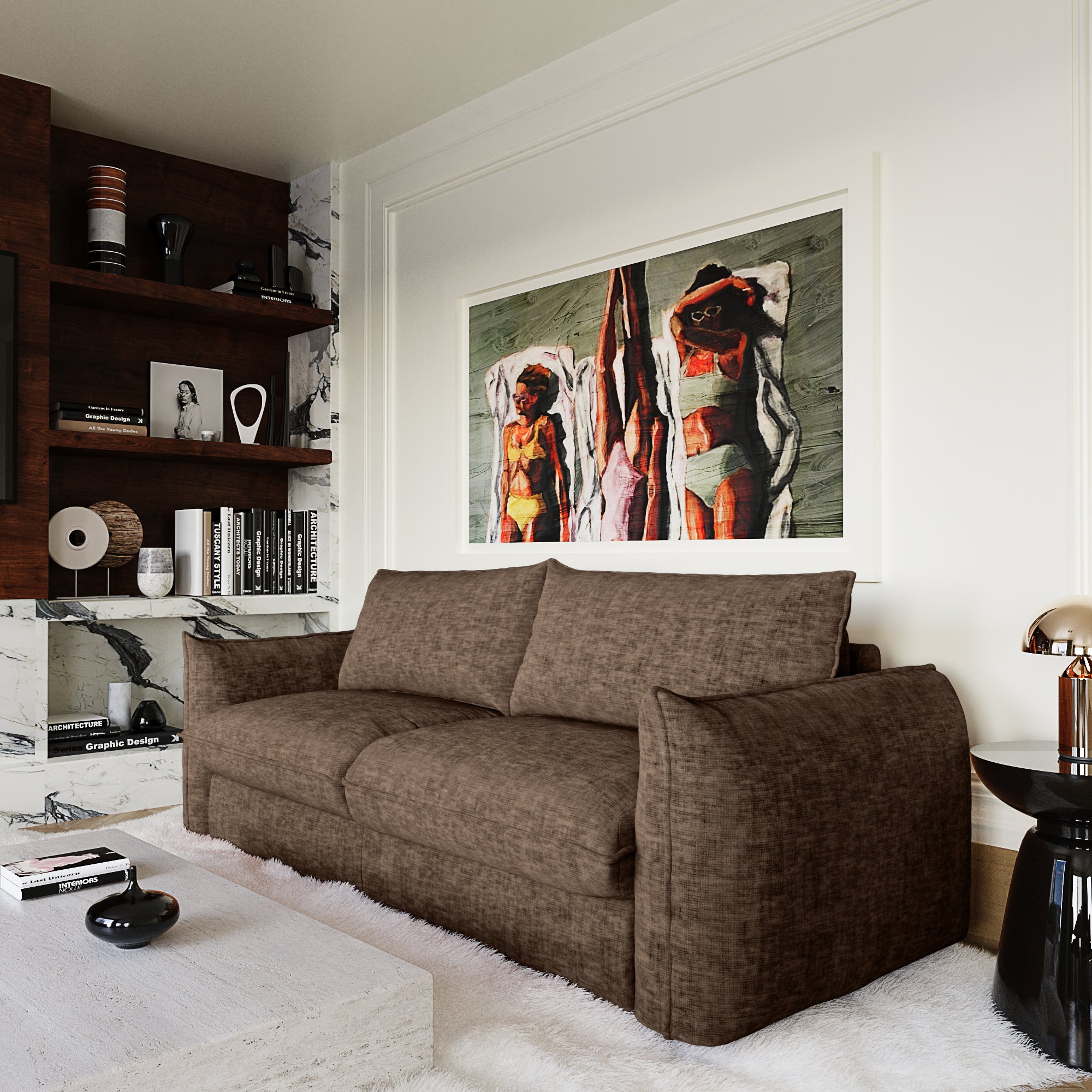
The first approach involves introducing modern elements to contrast with the traditional decor. A minimalist coffee table, an armchair with clean lines, or a contemporary artwork can coexist with more ornate, classic pieces. This interplay of contrasts creates a visual lightness while highlighting the richness of the period furniture.
Modernizing classic style also means knowing how to lighten it without diminishing its presence . It's not about erasing its defining features, but about clarifying its interpretation. For example, highlighting a few key pieces (carefully showcased) allows their unique character to shine. A marquetry sideboard, a gilded mirror, or a crystal chandelier can truly express themselves when placed within a minimalist setting.
Well-managed contrasts play a crucial role here. The combination of antique and contemporary materials creates a stimulating tension. Solid wood pairs perfectly with black metal, velvet with polished concrete, and period moldings with minimalist furniture. These combinations enrich the décor and establish a harmonious dialogue between past and present.
The result is a renewed classic style, more airy, more personal, but still faithful to its original spirit.
An elegance that transcends time
Rooted in a rich historical heritage, the classical style is distinguished by its sense of balance, the quality of its materials, and the refinement of its details. Structured by precise codes (proportionate furniture, symmetrical decor, meticulous finishes), it creates interiors that are at once stable, harmonious, and profoundly elegant.
But far from being stuck in a bygone aesthetic, the classical style lends itself to subtle reinterpretations today. By lightening compositions, playing with contrasts of materials, or simply integrating contemporary elements with restraint, the style continues to evolve without ever losing sight of timelessness and mastery.
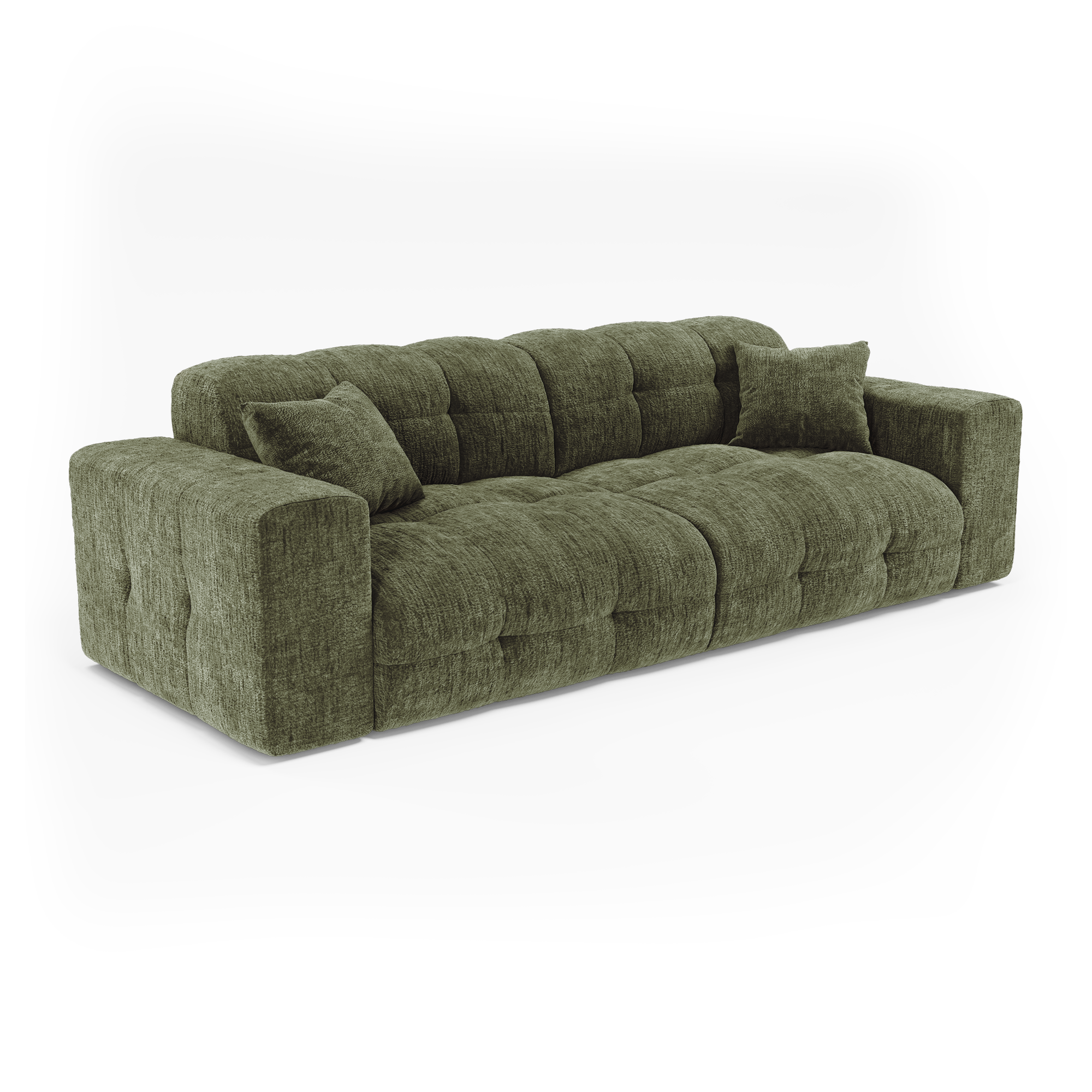
Discover our collection of classic sofas , inspired by the heritage of style and designed to fit into today's interiors.